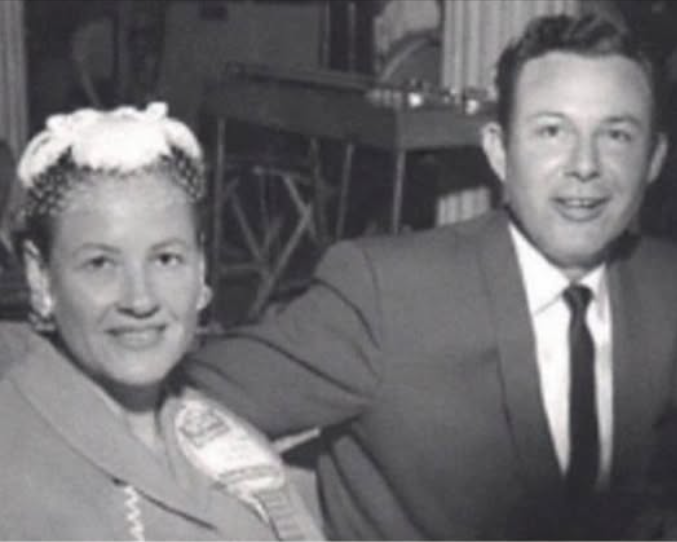
In 1960, the music world witnessed the release of a song that would come to define an era, leaving an indelible mark on both country and pop music for generations to come. At a moment when the industry was undergoing a seismic shift—moving away from the rougher honky-tonk styles and the raw, twang-heavy recordings of earlier decades—this particular track emerged as something refreshingly smooth, emotionally poignant, and accessible to a wider audience. Unlike the louder, more percussive arrangements dominating the charts, this song embraced subtlety: its production was polished but understated, allowing the lyrics and the emotional delivery to take center stage. With its gentle rhythm and heartfelt storytelling, it forged a bridge between traditional country narratives—steeped in real-life struggles, heartbreak, and longing—and the emerging modern style that would soon dominate radio waves. Listeners found in it a rare combination of novelty and familiarity, a tune that was both fresh and comforting, intimate yet universal, a melody that lingered long after the last note faded. Its simplicity, so effortlessly elegant, made the song instantly memorable, planting itself in the hearts of audiences across the United States and beyond.
The inspiration behind this masterpiece was rooted in a genuine, fleeting moment of human vulnerability. Songwriters Joe and Audrey Allison drew from life itself to craft the opening line, reportedly inspired by an experience Joe had while sitting in a quiet bar. He had overheard a man speaking softly into a telephone, his voice trembling with a mixture of desperation, hope, and longing, as he tried to reach someone profoundly important to him. There was a fragility to the moment, an almost palpable sense of isolation and yearning, that struck Joe deeply. He shared the experience with Audrey, and together they channeled that raw emotion into lyrics filled with reflection, wistfulness, and a deep-seated desire for reconnection. Every word of the song was infused with this intimate understanding of human emotion, from the careful phrasing to the pauses that allowed listeners to feel the weight of each sentiment. Producer Chet Atkins, a visionary in the Nashville recording scene, recognized the magic in their approach. He made the deliberate choice to keep the musical arrangement soft, delicate, and understated. Strings, guitar, and light percussion were employed sparingly, ensuring that nothing overshadowed the story being told or the emotional resonance of the vocals. This careful orchestration allowed the vulnerability of the lyrics to shine through, creating a listening experience that was both emotionally powerful and sonically soothing.
Upon its release, the song quickly surpassed even the highest expectations of its creators. It didn’t just perform well within its primary country market; it transcended genres, topping the country charts while crossing over into pop, reaching a national audience that might never have otherwise engaged with traditional country music. This crossover appeal played a significant role in the emergence and popularization of the Nashville Sound—a revolutionary approach to country music that emphasized smooth vocals, clean instrumentation, and a refined, almost cinematic production style while retaining the genre’s storytelling core. The song exemplified this new aesthetic perfectly: it was polished yet heartfelt, contemporary yet rooted in tradition, sophisticated but never sterile. Its success inspired countless other artists to adopt the Nashville Sound, yet the original recording by Jim Reeves remained the gold standard, unmatched in its warmth and sincerity.
Jim Reeves himself brought a unique, timeless quality to the track. His voice, smooth as velvet and rich with emotional nuance, had the uncanny ability to make every listener feel as though he were singing directly to them. His performance was intimate yet commanding, simple yet deeply affecting. The song became the defining moment of Reeves’ career, solidifying his reputation as one of the most iconic voices in country music history. Tragically, Reeves’ life and burgeoning career were cut short in a plane crash in 1964, only four years after the song’s release. Yet, even after his untimely death, the track endured. It was featured in films, radio programs, tribute albums, and countless covers, allowing new generations to discover the emotional authenticity and timeless beauty of Reeves’ artistry. Through these continued appearances, the song remained a touchstone for what great country music could achieve—a rare combination of narrative depth, melodic elegance, and heartfelt delivery that spoke directly to the soul.
Beyond its technical and commercial achievements, the song also holds a profound cultural significance. At a time of social change in America, when the nation was navigating tensions over identity, tradition, and progress, it provided a gentle, unifying message. Its themes of longing, human connection, and the desire to reach out across emotional distance resonated universally, making it more than just a hit single; it became a shared emotional experience for countless listeners. Musicians, critics, and fans alike have lauded its enduring appeal, pointing to the way it seamlessly balances storytelling, vocal performance, and instrumental restraint, setting a benchmark for the genre. Many artists have attempted their own renditions, covering it in styles ranging from jazz to pop, but no interpretation has eclipsed the original’s understated mastery.
Ultimately, the song’s legacy lies not only in its chart performance or the innovations it inspired in the Nashville Sound, but in its capacity to connect with the human heart. Jim Reeves’ performance captured a fleeting, delicate, yet universal emotion—the yearning to reach out, to connect, and to feel understood—that resonates as strongly today as it did over six decades ago. The song continues to serve as a reminder that music, at its best, is not merely entertainment: it is a vessel for shared experience, a bridge across time, and an enduring testament to the power of honesty, simplicity, and heartfelt artistry. Its release in 1960 marked the beginning of a new chapter in music history, one that blended tradition and modernity, intimacy and polish, leaving a mark that generations will continue to celebrate.