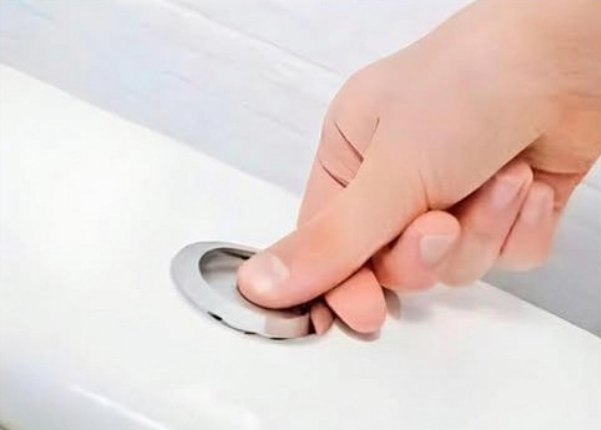
In the modern home, flushing a toilet is usually an automatic reflex—a seamless, sanitary behavior performed multiple times a day without a second thought. It is an invisible backbone of urban hygiene, a marvel of engineering that removes waste with a simple lever pull. Yet as the global conversation shifts toward sustainability and the preservation of finite resources, this “automatic” habit is coming under scrutiny. Environmental advocates are increasingly emphasizing the need for mindfulness in our most basic bathroom rituals—not to abandon hygiene, but to reconsider necessity in a world where fresh water is increasingly scarce.
To appreciate the impact of a single flush, one must consider the journey of the water that fills the toilet tank. In most developed nations, this water is the same high-quality, potable water that flows from kitchen taps—meticulously filtered, treated, and pumped through vast infrastructure systems. Using several liters of this “liquid gold” for a single flush represents a profound inefficiency. Older toilets can use up to nine liters per flush, while even modern low-flow models use roughly three to six liters. Across a typical household, these flushes add up, accounting for nearly a third of total indoor water consumption.
One suggestion for reducing this footprint is selective flushing. The mantra “if it’s yellow, let it mellow,” once associated with drought-stricken regions, has found a quiet place in environmentally conscious households. The idea is simple: for purely liquid waste, an immediate full flush may not be necessary. While this can significantly reduce annual water usage, it requires a cultural shift and coordinated participation in the household. Proper maintenance—regular cleaning, avoiding mineral buildup, and maintaining ventilation—is key to success.
Behavioral changes are just one piece of the puzzle. For households where selective flushing is impractical, technology offers solutions. Dual-flush toilets, offering separate options for liquid and solid waste, allow users to reduce water use by 20% to 50% while maintaining social etiquette. High-efficiency and pressure-assisted models further demonstrate that toilets can be both effective and water-wise, using less water while maintaining cleaning power.
Attention must also be paid to hidden leaks, which often go unnoticed for months. A silent leak in a toilet flapper can waste hundreds of liters daily. Regular maintenance and simple tests, such as placing food coloring in the tank to check for seepage, are essential. Treating the toilet as a precision instrument rather than an indestructible appliance prevents invisible waste that undermines conservation efforts.
Beyond technical and behavioral aspects, there is a larger ethical dimension: the global water crisis. Over 40% of the world’s population faces water scarcity, a figure expected to rise as climate patterns shift. Saving even a few liters in a suburban bathroom reduces the energy required for treatment and lessens strain on aquifers and reservoirs. Water conservation, therefore, is intrinsically linked to energy conservation and carbon footprint reduction.
Social considerations also influence water-saving practices. Selective flushing may be acceptable in eco-conscious homes but is rarely suitable in workplaces, public settings, or when hosting guests. Respect for social norms remains important. Education and transparency are vital: when people understand why a practice matters, they are more likely to adopt or respect it.
Ultimately, water-conscious bathroom practices highlight the power of cumulative impact. Small, individual actions—such as replacing an old toilet with a high-efficiency model or reducing flush frequency—can collectively save millions of liters of water daily when adopted broadly. These incremental changes, multiplied across households, have systemic effects.
Looking to the future, bathroom design will continue to play a central role in sustainable living. Innovations like graywater recycling, which reuses sink water for toilet flushing, and waterless urinals are becoming increasingly common. But while waiting for widespread adoption of these technologies, the most effective tool remains awareness. Viewing water not as disposable but as a precious, treated resource transforms an automatic reflex into a meaningful act of environmental stewardship. Protecting the planet’s most vital resource doesn’t require sacrificing comfort—it requires attention to the flow.