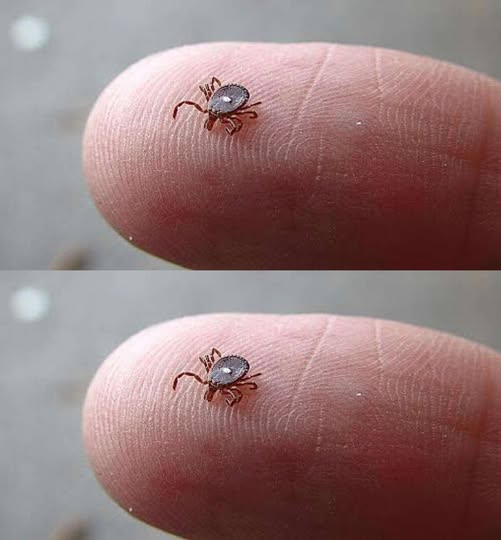
The serene charm of a suburban afternoon can often feel deceptively peaceful. Just a few weeks ago, while I was navigating the patches of my lawn with a temperamental mower, the world seemed perfectly settled. My golden retriever, Mochi, lounged contentedly in the dappled sunlight beneath our old oak tree. The rhythm of the chore was interrupted only by a faint, localized tickle near my ankle. In the height of summer, one’s mind immediately jumps to the usual culprits—perhaps a stray blade of grass or a persistent mosquito. But when I looked down, the sight was far more unsettling than a common insect. Clinging tenaciously to my skin was a tiny, dark speck. It didn’t fly away or scuttle; it stayed anchored. Upon closer inspection, the culprit was unmistakable: a lone star tick, identifiable by the single, pearlescent white dot on its back.
For many, minor nuisances of nature—mosquito bites, bee stings—are simply the cost of enjoying the outdoors. Ticks, however, are in an entirely different category. They are not merely unpleasant; they are vectors for serious, sometimes life-altering diseases. The lone star tick (Amblyomma americanum) has earned a reputation as one of North America’s most aggressive species. Unlike the more passive deer tick, which patiently waits on the tip of a blade of grass, the lone star tick is a proactive “hunter,” capable of detecting carbon dioxide exhaled by mammals and moving purposefully through leaf litter to find its next meal.
Knowing how to respond to an encounter is essential for managing the panic that often follows. If you find a tick embedded in your skin, your primary goal is to remove it as cleanly as possible. Fine-tipped tweezers are crucial—avoid using your fingers or blunt objects. Grasp the tick as close to the skin’s surface as possible, aiming for its head or mouthparts, and apply steady, upward pressure. Twisting or jerking can cause the head to detach and remain lodged, increasing the risk of infection or disease transmission. Once removed, disinfect the area thoroughly with rubbing alcohol or soap and water.
Many make the mistake of immediately discarding the tick. While the instinct to crush it or flush it away is understandable, it is wiser to preserve it in a sealed container or taped to a piece of paper. This allows for identification if symptoms develop. The lone star tick is associated with STARI (Southern Tick-Associated Rash Illness) and Alpha-gal syndrome, a condition that can trigger a lifelong allergy to red meat. Documenting the date of the bite and its location on the body provides essential information for a physician should complications arise.
After an encounter, vigilant self-observation is critical. The human body can signal a tick-borne illness in subtle ways, sometimes mimicking flu symptoms. Look for rashes—though the “bullseye” is typically linked to Lyme disease from deer ticks, lone star ticks can produce similar circular redness or spreading irritation. Other warning signs include sudden fever, fatigue, unexplained muscle aches, or joint pain. Prompt medical attention is vital; early treatment often makes the difference between a swift recovery and a prolonged illness.
Prevention remains the most effective strategy. When venturing into wooded or tall-grass areas, clothing becomes a primary defense. Tucking pants into socks may look awkward but creates a barrier that keeps ticks off the skin. Treating clothing with permethrin and using repellents containing DEET or picaridin further reduces risk.
Backyard management is equally important. Ticks thrive in humid environments created by tall grass, leaf litter, and brush. Regularly trimming the lawn and removing debris eliminates these microhabitats. Creating a gravel or wood-chip buffer between your lawn and neighboring wooded areas can also discourage ticks. My husband and I have been implementing these changes, understanding that a well-maintained yard is the best gift we can give ourselves—and Mochi.
Ultimately, being “tick-aware” is not about fear, but about preparedness. The outdoors provides a necessary respite from digital life, and we shouldn’t sacrifice it over a tiny insect. By learning to identify lone star ticks, mastering safe removal, and taking preventative measures, we regain control. A tick on your skin is alarming, but manageable. With calm, careful attention and a fine-tipped tweezer, you can navigate the hazards of the lawn and return to your oak tree with peace of mind. Nature is full of creepy-crawlies, but knowledge ensures they remain a minor footnote in your adventures rather than the main story.