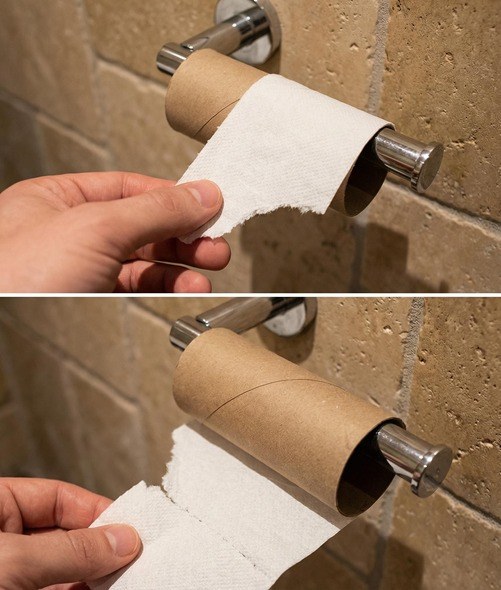
In today’s modern home, few objects are as commonplace—and as rarely examined—as the humble roll of toilet paper. It represents convenience and routine, a basic necessity that most people in Western societies take for granted. Yet, as the world advances deeper into the 21st century, this everyday habit is undergoing a serious cultural and environmental reassessment. From major cities in Europe to residential neighborhoods across North America, conversations are intensifying around the sustainability of relying on disposable paper for personal hygiene. What was once viewed as an unquestioned hygienic standard is now being reevaluated through the lenses of environmental responsibility, conservation of resources, and long-term human health. This shift is more than a passing trend; it reflects a deeper reconsideration of how our daily behaviors affect the planet.
Toilet paper itself is a relatively recent invention in human history. Although early forms of paper-based hygiene appeared in China as far back as the 6th century, the perforated rolls we recognize today only became widespread in the mid-1800s. Joseph Gayetty introduced the first commercially packaged toilet paper in the United States in 1857, promoting it as a health-related product. Over time, advertising campaigns and the expansion of indoor plumbing transformed it into a global commodity. However, this convenience comes at a heavy environmental cost. Producing conventional toilet paper requires cutting down vast numbers of trees, including old-growth forests that play a critical role in absorbing carbon dioxide and preserving biodiversity. Each year, millions of trees are felled to support a product designed to be used once and discarded within seconds.
The environmental toll extends beyond deforestation. Manufacturing toilet paper consumes enormous quantities of water and energy, from breaking down wood fibers to drying and transporting the finished rolls. Chemical treatments used to bleach paper to a bright white further exacerbate the problem, often releasing pollutants into rivers and water systems. Recent academic discussions, including research from institutions such as the University of Florida, have drawn attention to the presence of persistent substances like PFAS—commonly known as “forever chemicals”—in certain paper products and wastewater. Although regulatory standards aim to limit harm, growing awareness of these chemicals’ long-term environmental and health impacts has raised legitimate concerns among consumers.
This growing awareness has sparked renewed interest in hygiene alternatives that have been used for centuries in other cultures. One of the most notable is the bidet, traditionally associated with Europe but now gaining global acceptance for its efficiency and environmental benefits. In Japan, bidet technology has evolved into advanced systems featuring heated seats, adjustable water pressure, and built-in dryers. These innovations demonstrate that water-based cleaning is not only more effective than paper, but also far more sustainable. Households that adopt bidets can reduce toilet paper use by up to 75—or even eliminate it entirely. The logic is straightforward: when something is dirty, water cleans better than dry paper, and applying that logic to personal hygiene simply makes sense.
For those committed to minimizing waste even further, reusable cloth wipes—often referred to as “family cloth”—are becoming increasingly popular. Made from materials like cotton, flannel, or bamboo, these cloths are washed and reused, much like cloth diapers or reusable menstrual products. While the idea may initially feel unfamiliar or uncomfortable to those accustomed to disposable paper, advocates argue that it is both hygienic and practical. Financially, reusable options can lead to substantial savings over time. The average person uses dozens of toilet paper rolls annually, adding up to thousands of dollars over a lifetime. In contrast, investing in a bidet attachment or reusable cloths often pays for itself quickly while protecting households from price increases and supply shortages.
Of course, transitioning away from traditional toilet paper presents challenges. It requires both infrastructural adjustments and a shift in mindset. Many Western bathrooms were not originally designed to accommodate bidets, and the perceived cost of installation can discourage adoption. However, modern solutions—such as inexpensive, easy-to-install bidet attachments—have made these alternatives accessible to nearly anyone, including renters. As sustainability becomes more mainstream, the stigma once associated with such practices is steadily fading. What was once seen as unconventional is now increasingly recognized as a thoughtful and responsible choice.
Governments and city planners also play an important role in this transition. As municipalities grapple with rising wastewater treatment costs and the strain caused by paper waste, there is growing momentum for updated building standards that support water-based hygiene systems. Public education initiatives can further normalize these alternatives by emphasizing their environmental and economic advantages. When infrastructure evolves in harmony with ecological values, meaningful change becomes achievable.
Ultimately, reducing dependence on toilet paper reflects a broader cultural awakening. The disposable habits that defined much of the 20th century are proving unsustainable in today’s world. Even the most private daily choices carry environmental consequences. By rethinking bathroom habits, individuals contribute to forest preservation, water conservation, and reduced chemical pollution. This shift represents a move toward a future where hygiene is measured not by consumption and waste, but by efficiency and respect for natural resources. Embracing these alternatives demonstrates humanity’s capacity to adapt and innovate—even in the most ordinary aspects of life—for the sake of a healthier planet.