The sense of comfort we associate with home is built on calm, order, and safety. Yet for countless households, that sense of peace is routinely interrupted by unwelcome intruders: the high-pitched buzz of a mosquito just as you drift to sleep, a fly hovering insistently over a freshly prepared meal, or the sudden, unsettling sight of a cockroach darting across the kitchen floor. These encounters are more than minor annoyances—they disrupt the very refuge a home is meant to provide.
Beyond discomfort and disgust, household pests pose genuine health risks. Mosquitoes are known carriers of dangerous diseases, while cockroaches can aggravate asthma and spread bacteria across food-preparation surfaces. As people age or become more sensitive to environmental factors, maintaining a clean, non-toxic living environment becomes increasingly important. Yet conventional pest control methods—chemical sprays, foggers, and professional extermination—often bring concerns of their own, including harsh fumes, chemical residues, and potential harm to pets or children. Thankfully, effective pest control does not have to rely on synthetic chemicals. By turning to time-tested natural remedies and everyday household ingredients, it’s possible to protect your home in a way that is safe, economical, and environmentally responsible.
How Natural Repellents Work
Natural pest deterrents function by exploiting insects’ biological sensitivities. Many bugs are repelled by strong scents, acidic compounds, or plant-based oils that humans find pleasant or harmless. Aromas such as vinegar, cloves, or bay leaves signal danger to insects, irritating their respiratory systems or confusing their navigation. Using these natural deterrents allows homeowners to defend their space without polluting indoor air or introducing toxic substances.
A Simple Yet Effective Mosquito Trap
Mosquitoes are attracted to carbon dioxide and body heat. While commercial traps often rely on propane or electricity to mimic these signals, a similar effect can be achieved at home using fermentation. A homemade mosquito trap made from a plastic bottle uses a slow-release reaction to imitate human breath, drawing mosquitoes away from people and into a contained space.
You’ll need:
One empty 2-liter plastic bottle
1 cup of hot water
5 tablespoons of sugar
1 tablespoon of baking powder
How to prepare it:
Dissolve the sugar completely in the hot water, then allow the mixture to cool slightly before adding the baking powder. This combination produces a steady release of gas that attracts mosquitoes. Cut the bottle about one-third down from the top, pour the liquid into the lower section, then invert the top portion to form a funnel and place it back inside the base.
Set the trap in shaded areas near doors, windows, or outdoor seating. Mosquitoes follow the scent downward but cannot escape, making this a quiet, chemical-free solution for evenings outdoors.
Bay Leaf and Clove: A Natural Scent Barrier
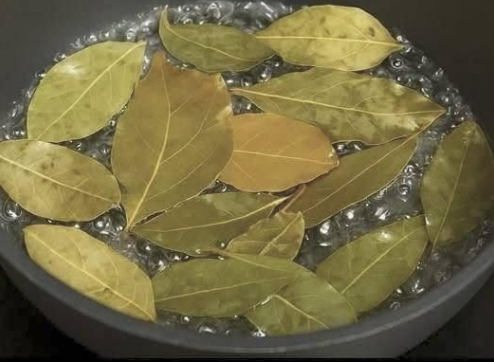
Flies and cockroaches rely heavily on their sense of smell, which makes them especially vulnerable to strong botanical aromas. The oils released by cloves and bay leaves create an environment pests instinctively avoid.
Ingredients:
15 dried bay leaves
10 whole cloves
1 cup of water
Instructions:
Simmer all ingredients gently for about ten minutes to extract the essential oils. After cooling, strain the liquid and pour it into a spray bottle. This natural solution is safe for use around food and can be applied in common pest hotspots such as cabinets, sink areas, appliance backs, and pantry shelves—without endangering pets or children.
A Versatile All-in-One Barrier Spray
For broader protection against multiple insects, a natural barrier spray can be used on entry points and surfaces throughout the home.
What you need:
½ cup white vinegar
½ cup vegetable oil
½ cup mild shampoo
When mixed thoroughly, these ingredients form a stable emulsion. Vinegar repels insects with its acidic scent, oil allows the mixture to cling to surfaces, and shampoo helps break down insects’ protective outer layers upon contact. Apply this spray to door frames, window sills, and cracks where pests may enter.
Prevention: The Most Powerful Defense
Even the best remedies work best when paired with prevention. Pests invade homes in search of water, food, and shelter.
Eliminate standing water: Empty pet bowls daily, dry sponges, and fix leaks promptly.
Store food securely: Use airtight containers for dry goods to block access.
Clean hidden areas: Regularly vacuum behind appliances and wipe baseboards to remove crumbs and dust that attract pests.
Choosing a Healthier, Greener Home
Natural pest control is about more than convenience—it reflects a commitment to wellness and environmental care. Avoiding chemical pesticides protects indoor air quality, safeguards vulnerable family members, and reduces ecological harm.
These solutions prove that effective pest control doesn’t require harsh chemicals or high costs. With a few simple ingredients and a thoughtful approach, you can maintain a clean, calm, and healthy home—one that truly feels like the sanctuary it’s meant to be.