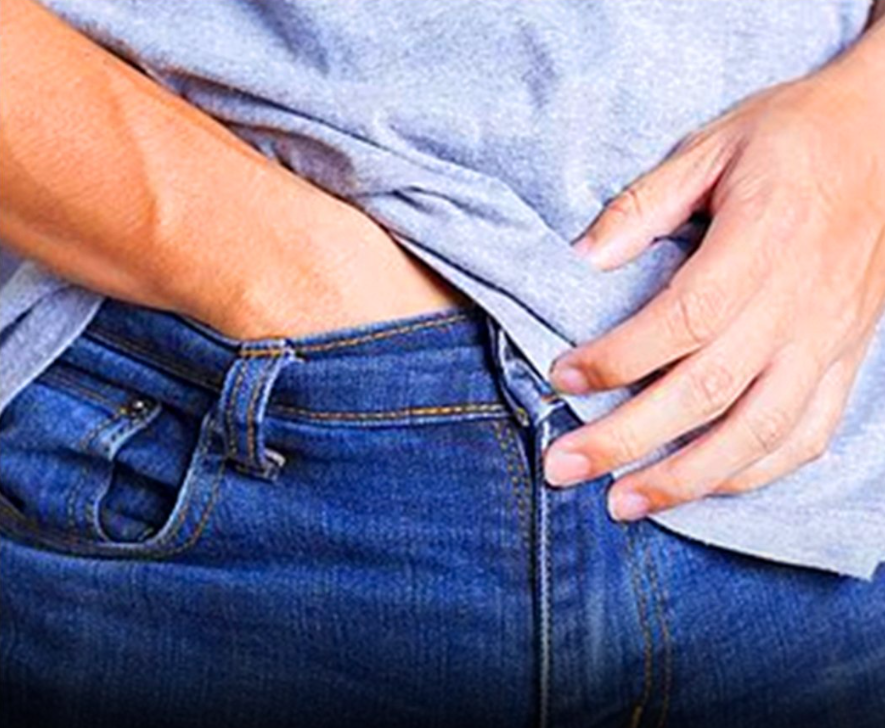
The habit of men resting their hands inside their waistbands is surprisingly common across social settings, from private homes to public spaces. While often dismissed as crude or absentminded, this behavior has deeper roots in biology, psychology, and physiology. It serves several purposes, including stress relief, hormonal regulation, and physical comfort. Understanding it requires looking at human anatomy, biochemistry, and non-verbal communication.
Biochemical Comfort: Self-Soothing and Oxytocin
One key reason for this behavior is self-regulation. Psychologists view it as a subconscious calming mechanism. Gentle touch in sensitive areas can lower cortisol levels and trigger oxytocin, the “bonding hormone,” which promotes a sense of safety. This act can shift the nervous system from a stress response to a relaxed state, helping men manage tension in subtle, biological ways.
Thermal Regulation and Physical Comfort
The male genital area is highly sensitive to temperature, as sperm production requires a slightly cooler environment than the body’s core. External cold or friction from clothing can trigger a subconscious need for warmth and adjustment. Placing a hand inside the waistband provides insulation, reduces chafing, and improves circulation. This highlights a gap in clothing design for men, where ergonomic, moisture-wicking fabrics could reduce the need for manual adjustment.
Evolutionary Protection and Body Language
Historically, protecting the groin was a survival instinct. Keeping a hand near the waistband can subconsciously guard against impacts in physical or crowded environments. This behavior persists today, offering both a sense of safety and a subtle reinforcement of masculine presence.
Medical Triggers: Itch and Irritation
Sometimes, the habit responds to dermatological issues like heat, sweat, or fungal infections. Chafing from sports or tight clothing can also prompt this adjustment. In such cases, using hypoallergenic products or high-performance apparel may help reduce discomfort.
Social Context and Etiquette
While natural in private settings, this behavior is generally seen as inappropriate in public or professional spaces. Understanding the biological and psychological reasons behind it can foster empathy rather than judgment, recognizing it as a complex response to comfort and protection rather than crude behavior.
Conclusion
Next time you notice a man resting his hand in his waistband, it is likely a combination of stress relief, temperature regulation, and instinctive protection. It is a subtle example of the body’s ways of maintaining equilibrium, revealing how biology continues to influence everyday human behavior. Recognizing these roots helps us understand that even socially unconventional habits can serve important physiological and psychological functions.