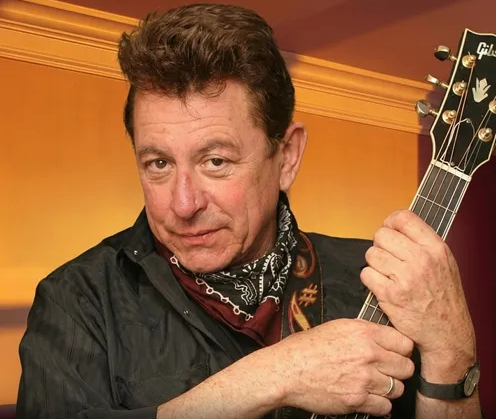
The global music community is mourning the loss of a true architect of American roots music. On December 15, 2025, the influential Texas singer-songwriter Joe Ely passed away at his home in Taos, New Mexico, at 78. His passing marks the end of a courageous journey through declining health and closes the chapter on a man who did more than play music—he reshaped its landscape. While many artists achieve success within a single genre, Ely operated like a masterful brand strategist, seamlessly merging the dust-choked narratives of West Texas country with the raw energy of British punk and classic rock. His death is not only a loss for Austin but a significant moment for the preservation of cultural heritage and intellectual property in the American songbook.
Born in Amarillo in 1947 and raised in the legendary musical cradle of Lubbock, Ely’s early life was a study in creative entrepreneurship. Emerging from a West Texas environment demanding grit and originality, he eventually embraced the nomadic life of a folk musician. In 1971, he co-founded The Flatlanders alongside Jimmie Dale Gilmore and Butch Hancock. Although their early recordings were largely overlooked by the commercial industry—a common challenge for early-stage creative ventures—the group’s work eventually became the gold standard for Americana and folk-rock enthusiasts, proving that artistic integrity often yields a higher long-term return than chasing fleeting trends.
By the time Ely launched his solo career, he had earned the title of an “artist’s artist,” respected across the industry. With sixteen studio albums, his catalog became a reference point for songwriting excellence and sonic innovation. His career was marked by high-profile collaborations that transcended traditional boundaries, including tours with Tom Petty and the Heartbreakers and a unique connection with The Clash during their 1979 American tour. This blending of Texas honky-tonk and London punk remains one of the most successful examples of niche market expansion in music history. Even when sharing stages with legends like Bruce Springsteen, Ely remained a steadfast advocate for independent artist rights, refusing to compromise his literate, unfiltered style for mainstream appeal.
Beyond music, Ely’s influence extended into Texas culture in other ways. Alongside his wife Sharon, he helped grow Stubb’s Bar-B-Q, a venture demonstrating his acumen in brand development and consumer products. Much like his music, the Stubb’s brand became a symbol of Texas authenticity—bold, respected, and enduring. This dual career—as both visionary musician and cultural entrepreneur—highlights a rare multidisciplinary leadership, showing how deep roots can foster success across industries.
In his later years, Ely faced the challenges of aging and chronic health issues with quiet dignity. Despite physical limitations, his creative output remained strong. His final solo album, Love and Freedom, released in early 2025, serves as a reflective closing statement on a life dedicated to fearless creativity. For those studying geriatric wellness and palliative care, Ely’s continued artistic productivity illustrates the importance of purpose in maintaining cognitive and emotional resilience.
The impact of Ely’s passing resonates strongly within Austin’s music and cultural sectors, where his name has long been synonymous with the city’s identity as the “Live Music Capital of the World.” His influence helped shape an environment where independent artists can thrive. As fans and fellow musicians celebrate his life, attention has turned to preserving his digital archives and literary estate, ensuring unreleased recordings and personal writings are curated with the care Ely brought to his music.
Joe Ely’s passing also invites reflection on the evolution of American roots music and the changing recording industry. He was a pioneer of crossover long before it became a calculated marketing tactic. By following his instincts rather than a corporate roadmap, he built a “brand” resilient to the volatility of charts. His music offered raw, honest storytelling of the American experience. In an era dominated by AI-generated content and algorithm-driven hits, Ely’s organic approach remains a vital benchmark for authenticity.
As the sun sets on this Texas trailblazer, his influence continues through the generations of musicians he mentored and inspired. From Lubbock’s dusty streets to Europe’s prestigious stages, Joe Ely demonstrated that a career built on independence and craftsmanship is the ultimate long-term investment. He leaves behind family, devoted fans, and a body of work that will grow in significance for decades. His final days in Taos, surrounded by loved ones, were a peaceful conclusion for a restless spirit that finally found its home.
Ultimately, Joe Ely’s life reminds us that the most successful legacy is to leave a world richer, louder, and more authentic than the one you entered. He was a master of musical architecture, creating songs that withstand time and changing markets. Listening to Love and Freedom, we hear more than a farewell—we hear a masterclass in creative longevity. Rest in peace, Joe Ely. Your music remains a permanent beacon for every artist choosing the long path of integrity over shortcuts. Through his influence on Americana and Texas cultural life, his legacy stands as a cornerstone of the American creative economy.