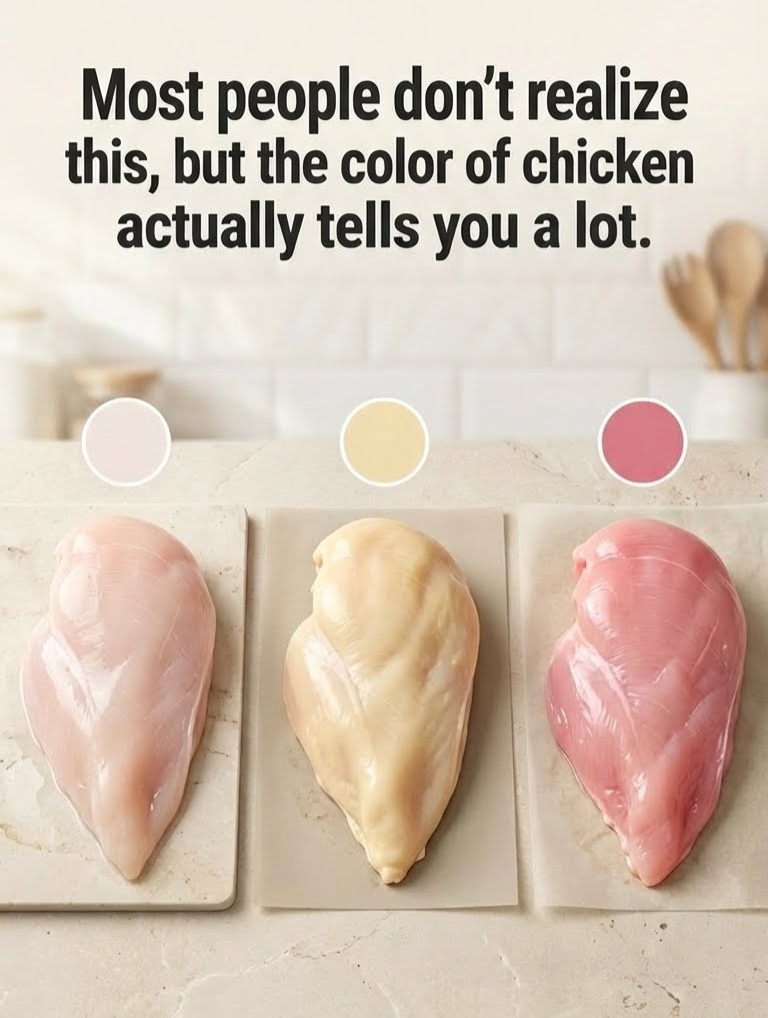
That chicken sitting in your cart might be hiding a story you rarely think about. On first glance, the difference seems simple: one is pale, almost ghostly white, while the other has a rich yellow hue. Same animal, same type of meat—but the narratives behind them are strikingly different. Are you looking at a bird that’s been pumped with chemicals, growth stimulants, or corn-heavy feeds? Or is the golden chicken genuinely healthier, more natural, or just better marketed to appeal to health-conscious shoppers? The truth is more complex than skin color, and understanding it requires diving into diet, lifestyle, and the subtle tricks used by the poultry industry—factors that most shoppers never get to see.
That split-second choice in the meat aisle—white tray or yellow—might feel like a trivial decision, but it actually reflects a whole series of farming practices and life stories for the birds. Pale chicken generally signals rapid growth, often the result of intensive commercial feed, limited space, and minimal opportunity for natural behavior like scratching, pecking, or walking. These birds are typically raised indoors under highly controlled conditions, designed for maximum efficiency and profit. On the other hand, the yellow-toned chickens often hint at a diet richer in carotenoids, sometimes supplemented by natural ingredients like marigold petals or corn, which not only affect the skin color but also influence flavor and nutritional profile. Many of these birds have some level of outdoor access, slower growth rates, and a lifestyle closer to what their ancestors would have experienced. Yet even this is not a hard-and-fast rule: some producers manipulate yellowness with feed additives purely to match consumer expectations, giving the impression of “premium quality” where none exists.
Understanding chicken color requires more than a glance. It’s a window into farming philosophy, feed composition, and animal welfare standards. For example, words like “pasture-raised,” “organic,” or “Certified Humane” often provide far more insight than the skin tone ever could. “Pasture-raised” typically means the birds had meaningful access to outdoor space, allowing them to move freely, forage naturally, and engage in instinctive behaviors. “Organic” indicates strict controls on feed and medication, usually avoiding synthetic chemicals, hormones, or unnecessary antibiotics. “Certified Humane” programs inspect conditions for space, bedding, ventilation, and overall treatment, aiming to ensure that animals are not only fed properly but also allowed to live in environments that respect their natural behaviors.
Of course, sensory evaluation still matters. Your eyes can spot obvious signs of spoilage like discoloration or slime. Your nose can detect freshness, a critical step when the labels alone can’t guarantee quality. And when it comes to flavor, nothing replaces your taste buds; a chicken raised on a natural diet with proper care will often taste richer and more satisfying than its pale, industrially raised counterpart.
Beyond diet and environment, there’s also a nutritional story. Yellow chickens, often enriched through natural feed ingredients, can carry higher levels of beneficial carotenoids and fat-soluble vitamins like A and E. Pale chickens, bred for rapid growth, may have lower flavor complexity and sometimes a higher water content, which can affect texture and taste. Still, these differences are subtle and can be influenced by cooking methods, marination, and preparation.
The decision also touches on ethics and sustainability. Industrially raised, pale chickens are usually the product of large-scale operations designed for efficiency rather than animal welfare. While this doesn’t automatically make the meat unsafe or nutritionally deficient, it does raise questions about environmental impact, worker conditions, and the ethics of industrial farming. Yellow chickens, often associated with slower growth and higher welfare standards, may come at a higher price but offer a lifestyle alignment that many consumers value, reflecting a conscious choice about the food system.
Ultimately, the “right” chicken isn’t about picking the whitest or yellowest bird in the store. It’s about making a choice that aligns with your priorities—health, nutrition, taste, budget, and ethical considerations. Reading beyond the shade, understanding labels, and considering the life story of the bird gives you far more power as a shopper than any superficial color cue ever could. When you take that meat home, prepare it with care, and enjoy the meal, you’re not just feeding yourself—you’re also participating in a larger conversation about how food is raised, marketed, and valued in today’s world.
In the end, chicken color is just the surface. The real judgment lies in the intersection of quality, ethics, and personal preference. Take the time to read, observe, and think critically. That pale or golden piece of meat in your cart is more than just dinner—it’s a reflection of decisions made long before it reached your kitchen, and the more you know, the better the choices you can make.