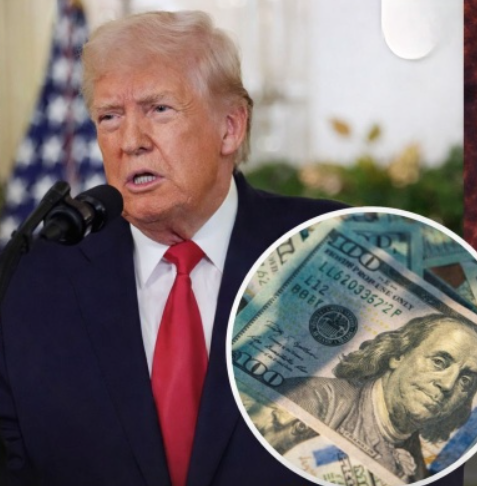
Trump stunned the nation, and the reverberations were felt far beyond Washington. In a fiery, nationally televised White House address that combined spectacle, patriotism, and unmistakable political theater, he announced a bold and unprecedented initiative: $1,776 “Warrior Dividend” checks for over a million active-duty and retired service members. The announcement landed just as American families were bracing against rising costs of living, spiraling prices at grocery stores, and the ever-present backdrop of political chaos. In the same breath, Trump leveled sharp criticism at President Joe Biden, taking aim at his administration’s record, while simultaneously boasting of historic achievements, including what he described as slashing prescription drug costs by “600 percent.” For millions of viewers, it was a dazzling blend of holiday cheer, fiscal promise, and political performance, leaving applause echoing across living rooms and social media feeds. Yet behind the cheering, observers and critics alike were left asking whether this holiday miracle was genuine, sustainable, or simply another calculated campaign move designed to capture headlines and hearts simultaneously.
The “Warrior Dividend” carries a symbolic weight that extends beyond dollars. By tying the payment amount—$1,776—to the year of American independence, Trump deliberately fused financial relief with patriotic imagery. For many military families, the check was not just a number; it represented tangible relief in a time of economic stress. Rent payments that had been piling up, credit cards stretched to their limits, and gifts that might not have appeared under holiday trees suddenly felt possible again. For families juggling deployments, household expenses, and uncertain job markets, $1,776 could mean the difference between enduring hardship and celebrating a meaningful holiday season. The intertwining of gratitude and politics, of generosity and performance, transformed the cash payment into something larger: a campaign-sized statement about who Trump believes deserves attention, priority, and recognition, and a reminder that in his vision, service members sit at the very top of the American hierarchy of value.
Yet this announcement did not exist in a vacuum. It arrived in a nation deeply polarized, exhausted by inflation, partisan blame, and the frequent dissonance between political promises and lived reality. Critics were quick to scrutinize the figures, questioning whether the drug-cost cuts Trump touted were truly as monumental as claimed, or whether the so-called relief payments represented more theater than substance. Analysts dissected the timing, pointing out that the announcement coincided with the holiday season and a period of intense political campaigning, leaving questions about motive swirling alongside the applause. Meanwhile, supporters saw the announcement as a long-overdue recognition of the sacrifices made by service members, framing the checks as both deserved recompense and a moral statement about leadership. Between these two Americas—those cheering and those skeptical—sit ordinary people, watching mailboxes and pharmacy bills, hoping for a moment of relief, hoping that political promises might finally materialize in a way that touches their daily lives.
Behind the scenes, military officials and financial planners began the delicate work of translating Trump’s rhetoric into operational reality. For the Department of Defense, the announcement required quick mobilization: verifying eligibility, processing millions of payments, and communicating timelines to recipients who were already facing logistical challenges related to family leave, deployments, and personal finances. Sources described a mix of excitement and logistical stress within Pentagon offices, as administrators sought to ensure that what had been announced in a dramatic television address could indeed reach those intended in an effective and equitable manner. Meanwhile, veterans’ organizations scrambled to advise members on what the payments meant, how they might affect taxes or benefits, and what to expect in the coming weeks. The blend of patriotism, politics, and practicality underscored just how complex a simple check could become in a country where perception and reality are often in tension.
Social media quickly amplified both celebration and controversy. Hashtags praising the “Warrior Dividend” surged as recipients posted unboxing videos, thank-you messages, and heartfelt testimonials about what the funds would mean for their families. Simultaneously, skepticism thrived: Twitter threads dissected Trump’s claims, fact-checked figures, and debated the authenticity of the economic victories he cited. Meme accounts and partisan pages traded barbs, creating a digital echo chamber that reflected the nation’s fractured media landscape. In this cacophony, ordinary citizens—some military families, some civilians—found themselves caught between gratitude, cynicism, and a desire for clarity. The announcement had become not just a financial intervention but a cultural moment, forcing the country to grapple with competing narratives about generosity, leadership, and political theater.
For Trump, the timing could not have been more strategic. The holiday season, traditionally associated with giving, family, and reflection, amplified the emotional impact of the announcement. By tying the “Warrior Dividend” to 1776 and to military service, he merged historical symbolism, personal sacrifice, and political messaging into a single moment designed to resonate widely. Yet the move also highlighted the precarious balance between applause and scrutiny, generosity and cynicism, promise and reality. In the weeks that followed, media outlets, think tanks, and ordinary citizens alike dissected the potential economic impact, the political motivations, and the real-life consequences for those on the receiving end.
In the end, the “Warrior Dividend” represented more than money changing hands. It was a crystallization of everything Trump’s public persona embodies: showmanship, nationalism, gratitude, and controversy all rolled into one. For military families, it offered relief tinged with symbolism. For political observers, it provided fodder for analysis, debate, and reflection on the intersection of policy and performance. And for the nation at large, it stood as a reminder that even in the midst of a divided political landscape, moments of generosity, spectacle, and possibility can coexist, sometimes uncomfortably, in the same address.