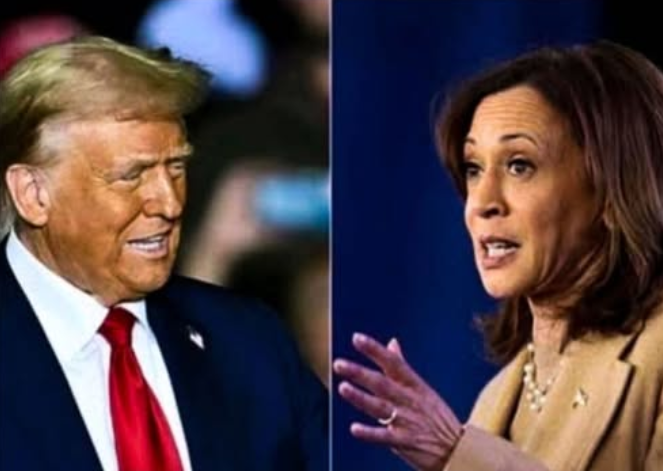
They are already searching for someone to blame. In the immediate wreckage left behind by Kamala Harris’s defeat to Donald Trump, the finger-pointing began almost instantly. What started as quiet murmurs behind closed doors has rapidly evolved into open accusations, media leaks, and carefully worded quotes aimed at reshaping responsibility. At the center of much of this blame sits one familiar figure: Joe Biden, and his decision to step aside late in the race. Careers, reputations, and political futures now hang in the balance as former allies scramble to explain how a campaign once filled with confidence collapsed so decisively. Yet beneath these surface-level explanations lies a far more uncomfortable truth—one about America’s relationship with power, gender, and leadership that even Harris’s closest advisers never fully confronted.
In the days following the loss, a kind of quiet civil war erupted within Harris’s political orbit. Loyalists rushed forward with a ready-made narrative: Biden’s delayed withdrawal, they argued, robbed Harris of precious time. She was never given the runway to introduce herself to voters on her own terms, never allowed to define her message before Trump’s campaign framed her in the harshest possible light. According to this version of events, the outcome was less a rejection of Harris and more a failure of timing, structure, and internal party decision-making.
But longtime campaign veterans and seasoned Democratic operatives quickly pushed back against that explanation. To them, blaming the calendar was not only misleading—it was comforting fiction. Time, they argued, was not the real enemy. Harris had been a national figure for years, not weeks. Voters knew her résumé, her voice, her history. What the campaign struggled to accept was that the country’s unease ran deeper than messaging or scheduling. The resistance she faced could not be solved by more ads, more town halls, or a longer rollout.
That deeper reality was voiced most bluntly by Willie Brown, who has known Harris for decades and has seen her rise through California politics firsthand. Brown articulated what many insiders had only whispered: the campaign fundamentally misread the national mood. It failed to internalize the harsh lessons of Hillary Clinton’s defeat, assuming that time and progress had softened the same barriers that proved immovable eight years earlier. They underestimated how deeply entrenched skepticism toward a woman in the Oval Office remains, particularly when paired with racial and cultural anxieties that continue to shape American voting behavior.
Brown’s critique cut deeper than strategy. It was not simply about polling errors or tactical missteps, but about denial. The campaign, he suggested, wanted to believe the country was further along than it actually is. It mistook aspiration for reality. In doing so, it walked directly into the same resistance that had undone others before, only this time with fewer illusions left intact.
Still, Brown does not believe this defeat marks the end of Kamala Harris’s story. History, he argues, offers a different lesson—one rooted in resilience rather than erasure. Hillary Clinton survived public humiliation and political exile, rebuilding her life and influence in quieter, more deliberate ways. Harris, Brown insists, will do the same. She will carry scars from this loss, but also clarity. She will emerge wiser, tougher, and far more aware of the forces aligned against her.
Those who are eager to write her off may be underestimating what political survival looks like in its second act. Harris’s defeat may have closed one door, but it has also stripped away illusions—about timing, fairness, and inevitability. And in American politics, figures who endure that kind of reckoning often return sharper, more dangerous, and less forgiving to those who once counted them out.