I first met June when I was twenty-two, still pretending I had even the slightest clue about life. She worked at a tiny coffee shop tucked just off campus, always perched behind the counter with her hair in a messy knot and a smile that could make even the worst day feel manageable. She was studying nursing, balancing textbooks, night shifts, and a job that demanded far more patience than anyone her age should’ve had. Yet, somehow, every single person who walked through those doors mattered to her. I’d sneak extra sugar packets into my cup just to have an excuse to talk to her. She noticed, of course. And she let me do it anyway.
By the time I turned twenty-five, we were living together in a small, crooked apartment that smelled faintly of the bakery downstairs. Creaking floors, a balcony barely wide enough for two chairs, and furniture we had scavenged from thrift stores — none of it glamorous, but all of it ours. We laughed a lot. We argued over toothpaste caps. We danced barefoot in the kitchen to old songs from my beat-up speakers. Life was simple, messy, imperfect, and wonderful.
Two years later, we got married in my sister’s backyard. String lights twinkled above, dollar-store decorations swayed in the breeze, cheap wine was poured into plastic cups, and we danced to a playlist we threw together the night before. June wore a pale blue dress with embroidered flowers and went barefoot, looking like summer itself. We promised each other forever without needing anything else.
Children were always part of our plans, just… later. We waited through med school, promotions, rent hikes, and the general chaos of building a life. We thought waiting would make us wiser. And when the timing finally felt right, we believed we were ready — or at least, we thought we were.
The day June told me she was pregnant, she stood in the kitchen gripping the counter as if the room were tilting beneath her. Her voice cracked when she whispered, “Tony, I’m pregnant.” My chest froze for a moment, then joy hit so fiercely I could barely breathe. I pulled her into my arms, felt her tremble against me, and whispered over and over that we’d be okay. Better than okay. We cried together — tears of relief, fear, and hope tangled in one overwhelming moment.
The months passed, filled with preparations: baby names, nursery colors, bedtime routines we swore we’d never forget. June laughed about cravings, mood swings, and random bursts of nausea. But sometimes, I caught her staring off into space, quiet and distant. I asked once if something was wrong. She shook her head, and I didn’t push. I wish I had.
Labor day arrived like a storm. Her water broke just after midnight. The epidural didn’t work properly, so everything moved too fast for me to fully comprehend. She gripped my hand and whispered, barely audible over her pain, “Go wait with the others. I don’t want you to see me like this.” Her eyes told me not to argue. So I kissed her forehead, stepped back, and tried to breathe.
While June fought through labor behind closed doors, I paced the hallway, surrounded by our family. I couldn’t sit. My phone was useless — no messages, no calls. Every second stretched impossibly long. And then — the cry of a newborn pierced the silence. Our baby. Relief washed over me in a tidal wave, and I pressed against the wall to steady myself.
But moments later, June screamed.
“That’s not my baby! That’s not my baby!”
Her voice cut through the hallway like a blade. I rushed in before anyone could stop me. June was trembling, drenched in sweat, her eyes wide with terror. A nurse held our newborn, still attached by the umbilical cord. The baby was crying, healthy and pink, tiny fists reaching outward.
“Ma’am,” the nurse said gently, “this is your baby. She’s yours.”
June shook her head violently, tears streaming down her face. “No. You don’t understand!”
I went to her side. “June. Look at me. Tell me what’s happening.”
She didn’t meet my eyes. She stared at our daughter as though staring at a ghost. Fear radiated off her in waves.
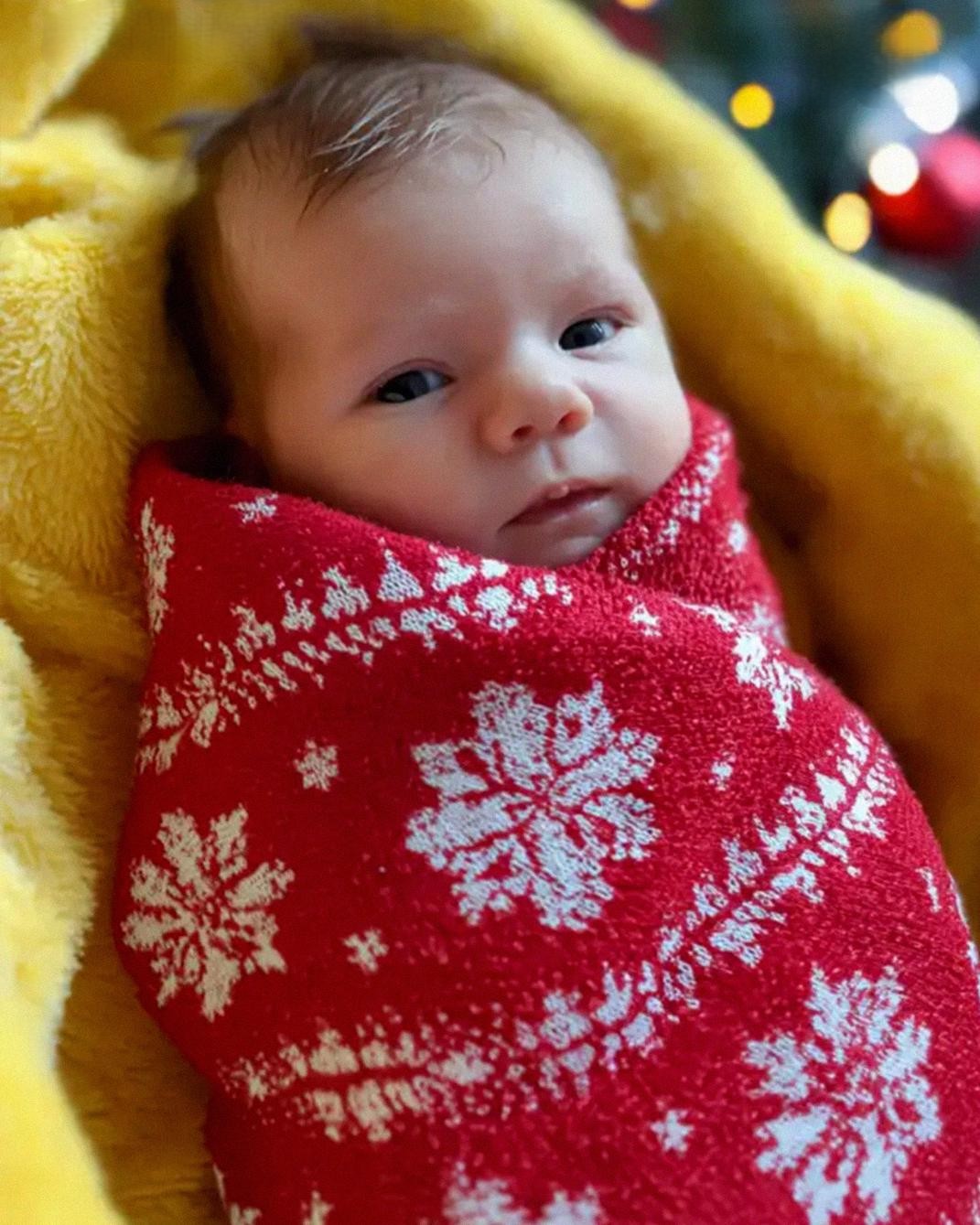
I looked down at our daughter, perfect and fragile, swaddled in a pale pink blanket. My chest tightened. “She’s beautiful,” I whispered. “Is she healthy?”
The doctor nodded. “Perfectly healthy. Congratulations, Dad.”
For a heartbeat, the world steadied. Then I turned back to June. Her terror hadn’t eased at all.
“I thought it would be a boy,” she murmured.
“What?”
Her jaw trembled. “I… I felt it. I believed it. I bought blue onesies. I picked out a boy’s name. I just… knew.”
Shame colored her cheeks. “And I didn’t say anything because boys… have it easier.”
That cut me deeper than any scream could.
“I don’t want our daughter to go through what I did,” she admitted softly. “I don’t want her scared. I don’t want her to feel powerless or ashamed of her own body. I didn’t want her to grow up thinking being a girl made her a target.”
She looked at our daughter like she feared she had already failed her.
I squeezed her hand. “You are not your past. She is not you. We will raise her to be strong. To know her worth. We’ll fight for her. And if anyone ever tries to hurt her, they’ll have to deal with me first.”
June’s breath hitched. “You promise? That you’ll love her just as much as if she’d been a boy?”
“I already do,” I said, with every ounce of my heart.
The nurse placed the baby in my arms first, then back into June’s trembling hands. Something shifted in her. Her shoulders softened. Her breath steadied. She cradled our daughter as though she’d been waiting her whole life for this moment.
“Hi, sweetheart,” she whispered. “I’m your mom.”
We named her Victoria — Tori — “because she’s going to win,” June said.
Six months later, Tori is a force of nature. Loud, curious, grabbing at everything within reach. Her laughter lights up the room, and June — the woman who once froze at the sight of her newborn — is now the fiercest protector imaginable.
One night, I passed the nursery and paused. I could hear June whispering softly to our sleeping daughter.
“I’m sorry about that day,” she murmured. “You were perfect. I was scared. Not of you — of me. Of the things I was still carrying.”
She sighed. “My father always wanted a boy. He told me over and over I wasn’t enough. I won’t do that to you. You’ll know you’re enough. Always.”
She placed her hand gently over Tori’s tiny chest.
I stepped back quietly, heart full.
Because she was right. I will protect them both. Always.