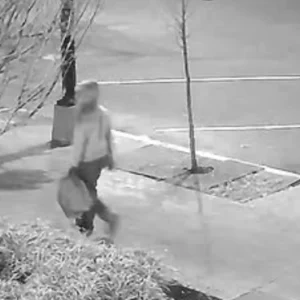
The silence is finally broken. Nearly five years have passed since two live pipe bombs were planted near the U.S. Capitol, and federal authorities now say they have apprehended the person they believe is responsible. For years, the case lingered like a shadow over Washington, a chilling reminder of how fragile security can feel when political tensions run at a fever pitch. The FBI chased phantom leads, analyzed grainy surveillance footage, and followed every tip—even the ones that seemed impossible to verify. Now, with a suspect in custody, the story enters a new chapter, one that promises not only accountability but also answers to questions that have haunted investigators, lawmakers, and the public alike for half a decade.
For almost five years, the pipe bomb plot loomed over the city like a specter of the January 6 attack, visible in memory but frustratingly invisible in resolution. Unlike the spontaneous chaos of the Capitol breach, these devices were deliberate, targeted, and designed to inflict maximum harm. One was planted outside the Republican National Committee headquarters, the other outside the Democratic National Committee. According to investigators, the bombs were not crude imitations—they were operational, constructed with the capability to maim or kill, and placed with chilling precision. They were intended to terrorize the nation’s political leadership at a time of unprecedented polarization, striking fear into the heart of American democracy when the country was already on edge.
Behind the scenes, the investigation was relentless. Federal agents meticulously sifted through thousands of tips, dissected every frame of surveillance footage, and employed the latest forensic techniques. They analyzed fingerprints, DNA traces, and chemical residues. Each lead, no matter how small or initially inconclusive, was pursued with painstaking care. Sources within law enforcement have described this as one of the most tenacious and challenging cases of recent memory. The bombings were an anomaly in a nation already struggling with political violence, and identifying a suspect required a combination of luck, technology, and exhaustive detective work.
The arrest marks a shift in the narrative. Up until now, the dominant question was “who”—a shadowy figure or figures orchestrating a violent act without detection. Now, attention will pivot to “why.” Federal filings, affidavits, and courtroom evidence will begin to unravel the motives behind the attack. Investigators will probe whether the suspect acted alone or was influenced by broader networks. They will examine potential ideological leanings, previous behaviors, and any connection to extremist movements or to the chaos surrounding the Capitol attack itself. Every detail could shed light on not just the individual responsible but also the vulnerabilities that allowed such a plot to unfold.
For the public, the arrest is both relief and a reminder. Relief because the uncertainty that hung over the capital for half a decade is finally being addressed. A reminder because the motives, the methods, and the potential connections to wider unrest still underscore how close the nation came to further tragedy. Even without the suspect, the memory of that night remained vivid: the tension, the fear, and the uneasy knowledge that acts of violence can lurk just beyond the boundaries of daily life. Now, there is hope that the coming investigation and trial will provide clarity, though the scars of anxiety and distrust remain.
This case also highlights the evolution of investigative work in an era of political violence. Agencies leveraged advanced forensic technology, digital surveillance, and cooperative intelligence networks across federal, state, and local levels. The investigation was not just a test of skill but a reflection of how law enforcement has had to adapt in response to new threats—threats that are at once highly localized and yet deeply connected to national political currents. For young agents working on the case, it became a masterclass in patience, precision, and the high stakes of protecting a nation’s democracy under extraordinary pressure.
Yet even as the suspect sits in custody, unanswered questions remain. Why target the RNC and DNC at precisely that moment? Was the plan broader than the two bombs, or was it a singular, symbolic act of terror? How much, if anything, did these bombings intersect with the forces that culminated in January 6? As prosecutors prepare their case, these questions will demand detailed answers, and the nation will watch closely as the full story begins to emerge. The investigation promises to reveal not just facts about a single individual but insights into the vulnerabilities of political institutions and the lengths to which extremists will go to make their mark.
The arrest does not erase the fear of that night—it cannot undo the tension that gripped Washington or the anxiety that lingered in the corridors of power. But it represents progress, a concrete step toward justice and closure, and a demonstration that persistence and methodical investigation can eventually pierce even the most stubborn shadows. For nearly five years, the pipe bomb plot existed as a dark, unresolved chapter in the story of political violence in America. Now, with a suspect in custody, the nation has its first real glimpse at resolution—and the first opportunity to understand, fully, what happened, why it happened, and how to prevent it from happening again.