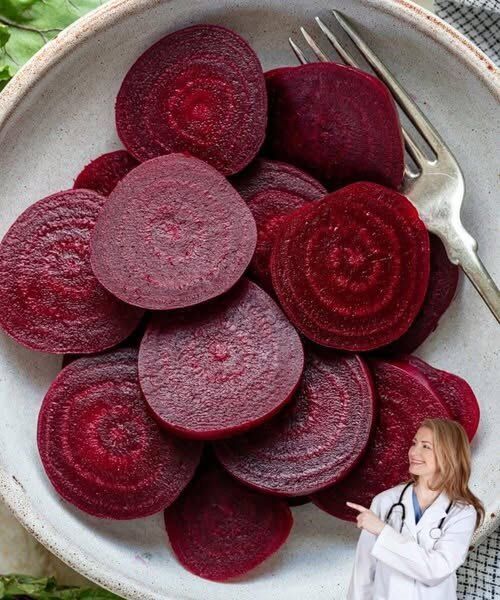
Beets aren’t just another food that gets labeled a “superfood” for marketing buzz—they genuinely create noticeable, physical changes throughout your body, sometimes within the same day you eat them. For many people, the effects show up surprisingly fast. A few hours after consuming beets, the walls of your blood vessels begin to relax, allowing blood to move more freely. Your muscles, especially those that work hardest during exercise or daily activity, become more efficient at using oxygen. Even your brain can benefit, shifting into a clearer, steadier mode as blood flow improves.
But even though all of these benefits sound almost miraculous, beets and beet juice are not cure-alls. Their effects vary widely from person to person, and for certain individuals, they can actually cause issues instead of improvements. Some people experience blood pressure that drops too quickly. Others, especially those with a history of kidney stones, have to be cautious about the oxalates beets contain. So while beets can be powerful, they aren’t universally harmless.
Their reputation comes from something much deeper than trendiness: their chemistry is uniquely potent. Beets are one of the richest natural sources of dietary nitrates—compounds that the body transforms into nitric oxide. Nitric oxide acts like a natural relaxant for your blood vessels, allowing them to widen so your heart doesn’t have to work as hard to push blood through tightly constricted pathways. This single effect is behind several of the benefits people experience:
Athletes often notice enhanced endurance, reduced fatigue, and improved performance because their muscles get oxygen more efficiently.
Older adults may experience sharper cognitive function. Better blood flow to the brain often translates to clearer thinking, improved memory, and reduced mental fog.
Most people benefit from the fiber in whole beets, which feeds good bacteria in the gut, helps digestion, and supports steadier blood sugar levels.
Then there are the betalains, the pigments that give beets their deep crimson color. These compounds are antioxidants with powerful anti-inflammatory properties. They help combat chronic inflammation—one of the hidden factors behind fatigue, aging, and many common health issues. They also support the liver’s natural detoxification systems, not by “flushing toxins” the way diet fads claim, but by assisting the enzymes your liver already uses to filter and break down unwanted substances.
Beets also provide a strong nutritional foundation:
Folate supports cell repair, DNA formation, and brain health.
Potassium helps control fluid balance, nerve signals, and muscle contractions.
Manganese is vital for metabolism, bone strength, and antioxidant defenses.
Iron supports oxygen transport and energy production.
Together, these nutrients create a slow, steady, internal repair process that adds up over time.
Still, it’s important to emphasize: beets are not miracle workers. They don’t cure major diseases, burn fat, or instantly transform your skin. Drinking beet juice, especially without the fiber, can spike blood sugar—something people with diabetes or insulin resistance need to be aware of. Some people notice beeturia, the harmless but surprising red color in urine or stool.
And while many wellness influencers encourage daily beet shots, that routine can be risky for people taking medication for high blood pressure. Because beets lower blood pressure naturally, combining them with medication can push pressure too low, leading to dizziness, fainting, or weakness.
For those prone to kidney stones—particularly calcium oxalate stones—beets must be approached with caution. Their oxalate content can contribute to stone formation if consumed frequently without proper hydration or dietary balance.
When you look at the bigger picture, the real transformation beets offer isn’t about quick fixes or detox fads. It’s about the long-term impact of consistently choosing whole, nutrient-rich foods. Adding beets to meals—whether roasted, blended into smoothies, chopped into salads, or cooked into soups—supports your body quietly and steadily, not dramatically or instantly.
Their power lies not in being a magic cure, but in how reliably they strengthen the systems you already depend on every day.