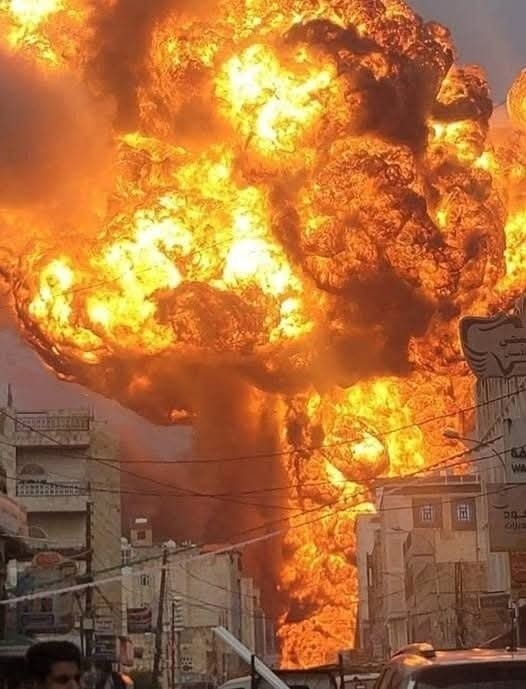
The fire in Pamplona Alta began as a small blaze on a crowded hillside, but within minutes it erupted into a wall of flames, sweeping through the community with terrifying speed. Families grabbed whatever they could—important documents shoved into plastic folders, a change of clothes, a single photograph ripped from a smoky wall. Most escaped with nothing more than what they could hold in their hands.
In the narrow alleys winding up the hillside, neighbors fought the fire themselves long before emergency crews arrived. They formed human chains, passing buckets of water from plastic barrels and makeshift tanks, shouting instructions through the thick smoke as sparks rained down. But the homes—constructed from thin plywood, recycled metal sheets, cardboard, and tarps—had no chance. They burned like dry leaves, collapsing house by house as the flames climbed row after row.
By the time firefighters gained control, the destruction was staggering. Early estimates suggested around three hundred homes were destroyed or damaged. Yet numbers can never capture the full story. Each home represents a kitchen table where families shared meals, a mattress where children slept, shelves holding medicines for aging parents. All of it was replaced by charred beams, twisted metal, and the lingering smell of smoke.
As dawn broke, residents sifted through the ruins. They stepped carefully over ash and debris, hoping to recover anything—an ID card, a school notebook, a single shoe. Some found nothing. Others celebrated small victories, like a warped metal pot that survived or a soggy photo album with a few recognizable images. Children wandered silently, clutching cinders of what used to be their school supplies, while elderly residents sat among the ruins, stunned and still in pajamas, staring at the homes they had called their own.
Authorities arrived with clipboards and radios, measuring damage in statistics—structures lost, families displaced, hectares burned. For the residents, those numbers mattered less than immediate needs: food, blankets, medicine, and shelter. Many had slept outdoors the night before, exposed to smoke and the open sky.
Investigators traced the fire to an illegal pyrotechnics workshop hidden among the tightly packed homes. While officials focused on accountability, the survivors cared more about survival. Understanding the cause didn’t rebuild roofs or replace lost school uniforms, medications, or baby supplies. It didn’t ease the fear of the cold night ahead.
By midday, volunteers began arriving. They brought water, clothes, and food. Tarps went up, temporary shelters formed, and families huddled together, trying to restore a sense of safety for their children. Yet fear lingered—fear the fire could return, that aid might be slow, that promises would fade.
Community leaders moved through the hillside, checking on the elderly and listing urgent needs. Mothers worried about their children’s schooling, wondering whether the disaster would leave lasting effects. Others worried simply about where they would sleep or whether their jobs would tolerate their absence.
Emotions ran raw. Some cried openly; others held back tears, focusing on the next task. The smell of burnt wood and melted plastic was constant, a reminder of all that had vanished in hours.
Yet moments of solidarity emerged. A man offered his tent to an elderly couple who had lost not only their home but their cane and medicine. Neighbors shared water, grilled salvaged food, and volunteers told stories to children traumatized by the flames.
Officials promised emergency aid, temporary housing, and plans for rebuilding. But residents have heard such promises before. What they need now is tangible support: supplies, construction materials, medical assistance, and commitment that endures beyond the cameras and headlines.
For now, the people of Pamplona Alta remain on the hillside, staring at the ashes of their homes, waiting for help. They do not need explanations—they need blankets, walls, roofs, medicine, hot meals, and reassurance that they will not be abandoned once the media moves on.
Tonight, hundreds will sleep under tarps or open skies. The wind will sweep across the blackened ground. But even amid grief, the community holds onto something powerful: each other. As long as they stand together on that scorched hillside, waiting for aid, their resilience remains unbroken, even in the face of profound loss.