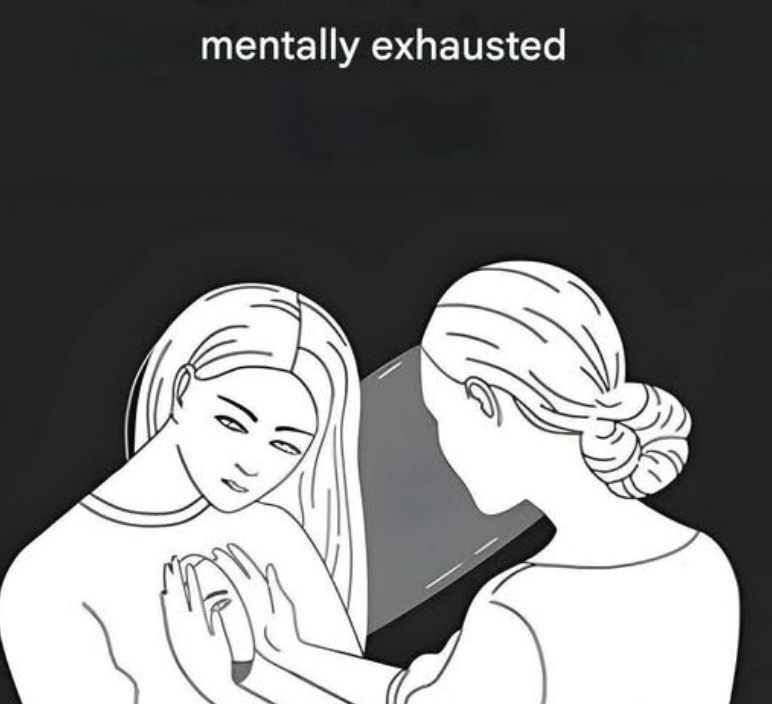
In the relentless pursuit of modern efficiency, the human experience has increasingly become a race against the clock. By March 2026, the global rhythm of life—powered by instant digital connectivity and a “hustle culture” that never sleeps—has pushed human endurance to its breaking point. We often wear our busyness as a badge of honor, yet beneath the surface of our productivity, our bodies and minds are quietly rebelling. Chronic exhaustion is not just a feeling of being tired; it represents a systemic failure of our internal recovery mechanisms. Recognizing the subtle but crucial signs of complete depletion is the first step toward reclaiming a life of balance and true well-being.
Fatigue is not a sign of weakness; it is a biological defense mechanism. It is the body’s way of signaling a tactical retreat before total collapse. When we ignore these signals, we move from simple tiredness into the dangerous territory of burnout and emotional decay. To navigate this, we must learn to recognize the eight key indicators that our mind and body have reached their absolute limit.
1. The Erosion of Patience: Irritability as a Red Flag
One of the clearest signs of mental overload is a significant decline in emotional regulation. If you find yourself getting disproportionately upset by minor annoyances—a slow internet connection, misplaced keys, or a harmless comment from a colleague—your “emotional reservoir” is likely running dry. When the mind is overloaded, it struggles to filter out distractions and maintain perspective. You’re not just “in a bad mood”; your brain’s prefrontal cortex, which governs impulse control and rational thought, is struggling to function under the weight of ongoing stress.
The Path Forward: Reclaiming control involves setting firm boundaries. Learn the power of saying “no” and carve out “unplugged” time, free from expectations to produce, respond, or react.
2. The Paradox of the Sleepless Night
Perhaps the most frustrating symptom of exhaustion is the inability to rest. Sleep disturbances—whether it’s the “tired but wired” feeling of insomnia, waking up frequently during the night, or waking up after a full eight hours and still feeling drained—signal a significant hormonal imbalance. Chronic stress floods the body with cortisol and adrenaline, keeping the nervous system in a perpetual “high alert” state long after the sun has set. This prevents the brain from entering the deep, restorative stages of REM sleep, which are essential for cognitive recovery.
The Path Forward: Establish a “digital sunset” at least an hour before bed. Remove blue light from screens and engage in calming activities like reading or light stretching to signal to your nervous system that the threat has passed, allowing for natural melatonin production.
3. Heightened Emotional Reactivity and Hypersensitivity
When exhausted, our emotional sensitivity intensifies. A simple piece of constructive feedback might feel like a personal attack, or a minor sad story on the news could leave you feeling inexplicably overwhelmed. This hypersensitivity indicates that your emotional resilience has been worn down by a lack of psychological recovery. You’re essentially operating on raw nerves, making every interaction feel overwhelming and exhausting.
The Path Forward: It’s essential to find a safe outlet for this emotional energy. Whether through journaling, creative expression, or a trusted conversation, externalizing your emotions helps prevent them from festering internally and creating additional psychological strain.
4. Somatization: The Body as a Silent Messenger
When the mind is ignored, the body starts to speak. Physical symptoms such as chronic headaches, unexplained muscle pain (especially in the neck and shoulders), and digestive issues are often the physical manifestation of emotional distress. Known as somatization, this occurs when the body translates emotional tension into physical pain. The gut, often referred to as the “second brain,” is particularly sensitive to the chemical changes induced by long-term stress.
The Path Forward: While medical consultation is essential to rule out underlying physical conditions, it’s equally important to acknowledge the mind-body connection. Practices like deep breathing or progressive muscle relaxation can help release stored physical stress.
5. Unexplained Tears: The Release of Suppressed Stress
Sudden, unprovoked tears are a classic symptom of emotional exhaustion. These spontaneous emotional releases are often the body’s way of discharging built-up stress. Tears contain stress hormones, and crying serves as a biological mechanism to reduce internal tension. If you find yourself crying unexpectedly, it’s often because you’ve been “holding it together” for far too long.
The Path Forward: Allow yourself to cry without shame. Being open about your emotional state and seeking support from others can help prevent feelings of isolation that often accompany emotional burnout.
6. The “Gray Zone”: Apathy and Emotional Detachment
One of the most dangerous signs of complete burnout is the sensation of emotional numbness or detachment. This state of apathy, where you feel disconnected from your work, hobbies, or even loved ones, is a form of psychological self-protection. The mind “shuts down” to prevent further harm. When things that once brought you joy now feel insignificant, you’ve moved past exhaustion into the early stages of a depressive episode.
The Path Forward: Isolation is the enemy of recovery. Even if it feels like an insurmountable effort, reaching out for professional guidance is critical. A therapist’s input can provide the tools to re-engage with life at a manageable pace.
7. Cognitive Fog and the Loss of Focus
When the brain is fatigued, its ability to process information slows down. You might find yourself rereading the same sentence several times without understanding it, or struggling to find the right words during a conversation. This “brain fog” happens when the brain prioritizes basic survival functions over complex cognitive tasks. It’s as if your mental CPU is overheating, and its resources are being diverted to keep you physically functional.
The Path Forward: Give your brain a break. Engage in activities that relax and recharge your mind, such as meditation or light exercise. Allow your cognitive function to recover at its own pace.
8. The Feeling of Impending Dread
Exhausted individuals often experience a lingering sense of unease or “waiting for something bad to happen.” Even when circumstances seem fine, the mind is so accustomed to being on alert that it manufactures anxiety to justify its heightened state. This chronic sense of dread makes true relaxation difficult because the mind perceives rest as a dangerous lapse in vigilance.
The Path Forward: Recognize this pattern and practice mindfulness techniques to calm the mind. Deep, intentional breathing or guided relaxation exercises can help break the cycle of constant tension.
The Philosophy of Recovery
Listening to your body is a profound act of self-respect. In the hyper-competitive world of 2026, choosing to stop and rest is an act of radical courage. We must shift our perspective: rest is not a reward for work; it is a necessary prerequisite for it. Just as an elite athlete needs recovery days to build muscle, the human mind requires periods of “non-doing” to maintain creativity and emotional balance.
Regaining control of your life begins with the understanding that you are not a machine. You are a biological being with specific, non-negotiable needs for silence, connection, and restorative rest. Recognizing these eight signals isn’t about admitting defeat; it’s about planning for the long haul. By honoring the “stop” signal today, you ensure the strength to move forward tomorrow.