In the rapidly evolving geopolitical landscape of March 2026, the realities of global security have become a deeply concerning and unpredictable subject. Following the significant military exchanges involving the United States, Israel, and Iran, the notion of a potential third world war has shifted from fringe speculation to a serious matter of strategic analysis. As conflict escalates in various regions, the primary concern remains the deployment and potential use of nuclear weapons. For residents of the United States, evaluating these risks requires a careful examination of military infrastructure and the sobering reality of radioactive fallout.
The essence of nuclear strategy indicates that an initial strike would likely target not only population centers but also the nation’s retaliatory capabilities. In this context, the American Heartland—once considered a relatively safe buffer—is actually a strategic stronghold. Intercontinental ballistic missile (ICBM) silos, discreetly located in central states, serve as critical elements in global deterrence. Disabling these facilities would be a top priority for any adversary, turning quiet rural areas into high-risk targets.
The “Silo States”: Assessing Fallout Risk
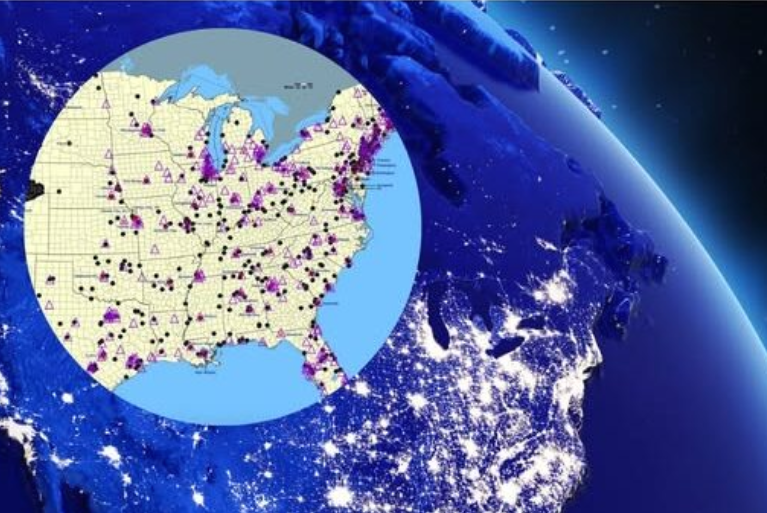
Research, including historical fallout projections from Scientific American and more recent analyses by Newsweek in 2024, has mapped the areas of highest risk in the continental U.S. States such as Colorado, Wyoming, Nebraska, Montana, South Dakota, North Dakota, Iowa, and Minnesota are most vulnerable due to their proximity to missile silos. In a preemptive strike scenario, radioactive debris could be carried by prevailing winds, creating a dangerous contamination corridor across the central United States.
Montana: Large missile installations, a relic of Cold War defense.
Wyoming: Rural areas hosting key launch sites.
Colorado: Strategic mix of silos and command centers.
Nebraska: Central position critical to deterrence capabilities.
South Dakota: Integral northern defense region.
North Dakota: Positioned near polar flight paths.
Iowa: At risk from fallout traveling eastward.
Minnesota: Exposed to contamination from northern missile clusters.
Eastern States: Relative, But Not Absolute, Safety
Climatologists and defense analysts note that some eastern and southeastern states might experience delayed or reduced immediate impact due to the west-to-east movement of the jet stream. While these areas could temporarily avoid direct fallout, they remain vulnerable to secondary consequences and other forms of attack. Lower-risk states should not assume immunity from danger, as major political and economic centers on the East Coast remain critical targets in any large-scale conflict.
The Hard Truth: No Area is Completely Safe
Experts, including John Erath of the Center for Arms Control and Non-Proliferation, stress that no region is truly insulated. In a nuclear exchange, the consequences would extend nationwide. Those living near primary targets would face immediate devastation, while secondary effects would eventually reach every corner of the country. Fallout would contaminate food and water, collapse infrastructure, and overwhelm the healthcare system. Distance alone offers no guaranteed protection. Even states like Maine or Florida could experience profound disruption to daily life.
Conclusion
The 2026 geopolitical reality underscores the critical importance of prevention. Studying fallout maps and strategic targets is a necessary exercise in understanding risk, but the ultimate safeguard is avoiding conflict altogether. Vigilance, informed analysis, and diplomatic foresight are essential to ensure that the nation’s security remains intact.
From the Atlantic and Pacific coasts to the heartland, the United States’ collective safety is a shared responsibility. The key lesson is clear: while ego may drive ambitions, it is evidence of peace and preparedness that sustains a nation. The survival and resilience of our society depend on active awareness, careful strategy, and the commitment of every citizen to uphold global stability.