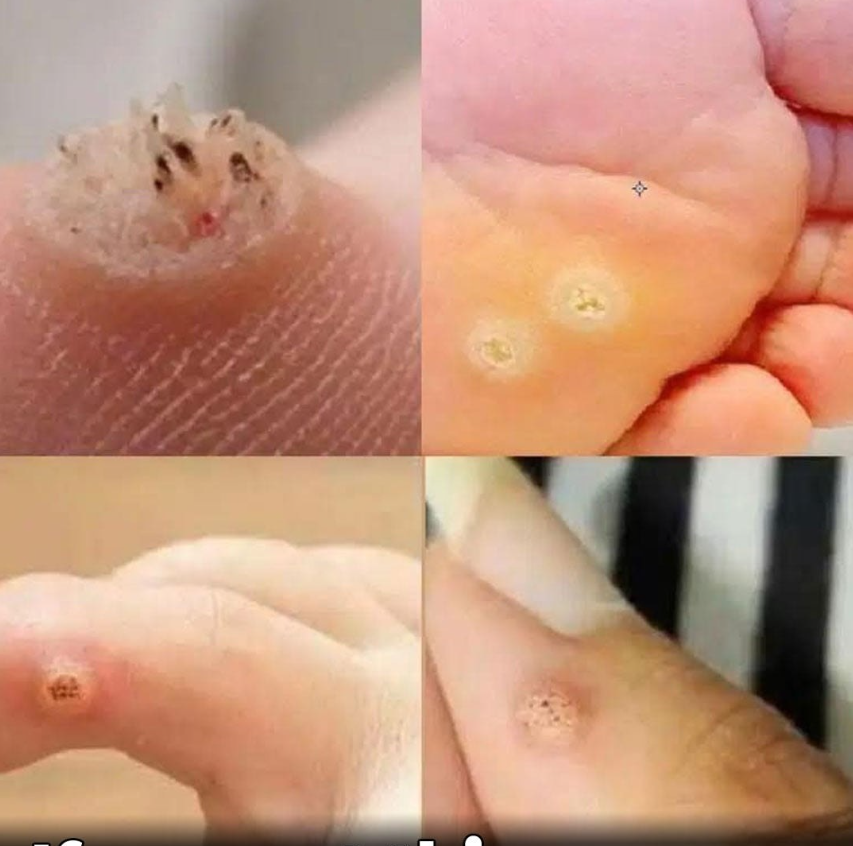
Warts are frustrating, unpredictable, and yes — a little gross — but they’re extremely common. Most people will encounter at least one in their lifetime. Some appear quietly and disappear on their own, while others linger, cause discomfort, spread, or appear in inconvenient places. Knowing what they are, how they spread, and how to treat them can make the difference between quickly eliminating them and letting them linger.
Here’s a detailed guide: the six main types of warts, how they appear, why they show up, and what treatments actually work.
At their core, warts are harmless skin growths caused by the human papillomavirus (HPV). The virus enters the skin through tiny cuts or abrasions and causes the top layer of skin to grow faster than normal. That rapid cell growth produces a bump — sometimes rough, sometimes smooth, sometimes painful, sometimes not — depending on the wart type.
Because warts are caused by a virus, they are contagious. Not as easily as the flu, but enough that sharing razors, walking barefoot in public showers, or touching someone else’s wart can spread it. Children are more prone due to frequent scrapes and minor cuts, but adults can get them too.
Warts can appear almost anywhere, but the most common types fall into six main categories.
Common warts are the ones most people recognize — rough, firm, and sometimes compared to tiny pieces of cauliflower. They usually appear on the hands, fingers, or around nails. They start small and can grow or multiply if left untreated. Typically painless, they can occasionally snag or become tender.
Plantar warts develop on the soles of the feet. Because of pressure from walking, they often grow inward rather than outward, feeling like a hard stone underfoot. Tiny black dots — clotted blood vessels — can sometimes be seen inside, distinguishing them from calluses. Over time, they can cluster into “mosaic warts,” which are harder to treat.
Flat warts are smoother, smaller, and nearly flush with the skin. They often appear in patches and are common on the face, arms, and legs. Children and teenagers are more prone. They’re painless, but large numbers can be frustrating and cosmetically bothersome.
Filiform warts grow quickly, with thin, spiky projections. They usually appear on the eyes, lips, or nose — areas where aggressive treatment isn’t safe. They’re not painful, but their appearance often draws attention.
Genital warts are caused by specific strains of HPV and appear on or around the genitals or anus. They can be flat or raised, single or clustered, sometimes forming a cauliflower-like texture. Usually painless, they may itch or bleed. HPV types 6 and 11 are most commonly responsible, while other types like 16 increase cancer risk. Vaccines, protection, and regular STI testing are important.
Age warts, more accurately called seborrheic keratoses, aren’t caused by HPV but often look like warts. They appear after age 40, starting as flat, yellowish spots that thicken and darken over time, commonly on the back, chest, forehead, and hands. Harmless, they can mimic melanoma, so dermatologists prefer to check them.
Warts spread through direct contact or via contaminated surfaces: gym floors, razors, towels, or shared nail clippers. Broken skin and moisture make infection easier, which is why public pools and locker rooms are high-risk areas. Touching, scratching, shaving over, or picking at a wart can spread it to other parts of your body.
Some warts disappear naturally, especially in children, but this can take months or even years. If they’re painful, unsightly, or contagious, “waiting it out” is less appealing.
Home remedies can work, though results vary. All should be applied gently.
Duct tape: Surprisingly effective for some. Cover the wart with tape for several days, remove it, soak in warm water, and gently file off dead skin. The theory: occlusion irritates the virus enough for your immune system to respond. Studies are mixed, but many report success.
Apple cider vinegar: Works like salicylic acid by slowly breaking down wart tissue. Must be diluted to avoid burning. Apply with a cotton ball secured with a bandage for a few hours at a time.
Aspirin paste: Crush a pill, mix with a drop of water, apply overnight. Aspirin contains salicylic acid, which gradually removes layers of wart tissue.
Tea tree oil: Known for antimicrobial properties. Apply diluted daily, especially on flat warts. Undiluted oil can irritate skin.
Patience and consistency are crucial. Warts rarely vanish overnight. Certain areas — face, genitals, eyelids — should never be treated at home. Any wart that bleeds, changes color, spreads quickly, or causes pain requires professional care.
Professional treatments include cryotherapy (freezing), prescription acids, laser therapy, immunotherapy, or minor surgical removal. Persistent warts respond much faster to these methods.
Warts are common, stubborn, and sometimes embarrassing, but rarely dangerous. Knowing their type, treating them appropriately, preventing spread, and knowing when to consult a doctor makes managing them far easier.
The good news: with the right approach, every wart can be treated, managed, or removed. You don’t have to live with them — and you don’t have to let them spread.