Heart disease continues to be one of the most costly, deadly, and widely misunderstood health problems in the world today. Even with major breakthroughs in heart medicine, screening, and prevention, millions of people still experience heart attacks each year without realizing their bodies had been signaling trouble long beforehand. The greatest risk isn’t sudden failure—it’s the quiet, gradual warnings that are often brushed off as stress, aging, or routine fatigue.
Many people imagine heart attacks as sudden, dramatic events, but that’s rarely how they unfold. In reality, the heart often begins struggling weeks or even months before a major cardiac episode. Circulation becomes less efficient, oxygen delivery drops, and the body adapts in subtle ways. These early signs don’t usually involve sharp pain or collapse. Instead, they appear as ongoing changes—small, persistent, and easy to ignore—that deserve attention.
Learning to recognize these signals can save lives. Catching them early gives doctors time to intervene with testing, treatment, and lifestyle changes that may prevent permanent damage or sudden death. Below are six common early warning signs that can appear before a heart attack. They’re explained clearly and calmly, without alarmism, but with the seriousness they warrant.
One of the earliest and most frequently dismissed symptoms is ongoing, unusual fatigue. This isn’t ordinary tiredness after a busy day. It’s a heavy, lingering exhaustion that doesn’t improve with rest and may come on suddenly, even in people who were previously energetic. Simple activities—showering, walking short distances, carrying bags, or climbing stairs—can feel overwhelming. This happens because the heart isn’t pumping efficiently enough to supply the body with adequate oxygen. Many people mistake this warning sign for stress, burnout, or aging and delay seeing a doctor.
Shortness of breath is another major red flag. Feeling winded during normal activities, while resting, or when lying down can signal that the heart is struggling to move blood effectively. When the heart weakens, fluid can accumulate in the lungs, making breathing shallow or difficult. Some people wake up gasping for air or need extra pillows to sleep. When breathing problems appear without an obvious cause, they should be taken seriously, as they often indicate significant cardiovascular strain.
Chest discomfort is widely known but often misunderstood. Early heart-related chest sensations are usually mild and inconsistent. They may feel like pressure, tightness, heaviness, burning, or fullness rather than sharp pain. Because these sensations come and go, many people blame indigestion, muscle strain, or anxiety. The absence of severe pain does not mean the heart is healthy. In fact, many heart attack survivors report experiencing subtle chest discomfort weeks before their event.
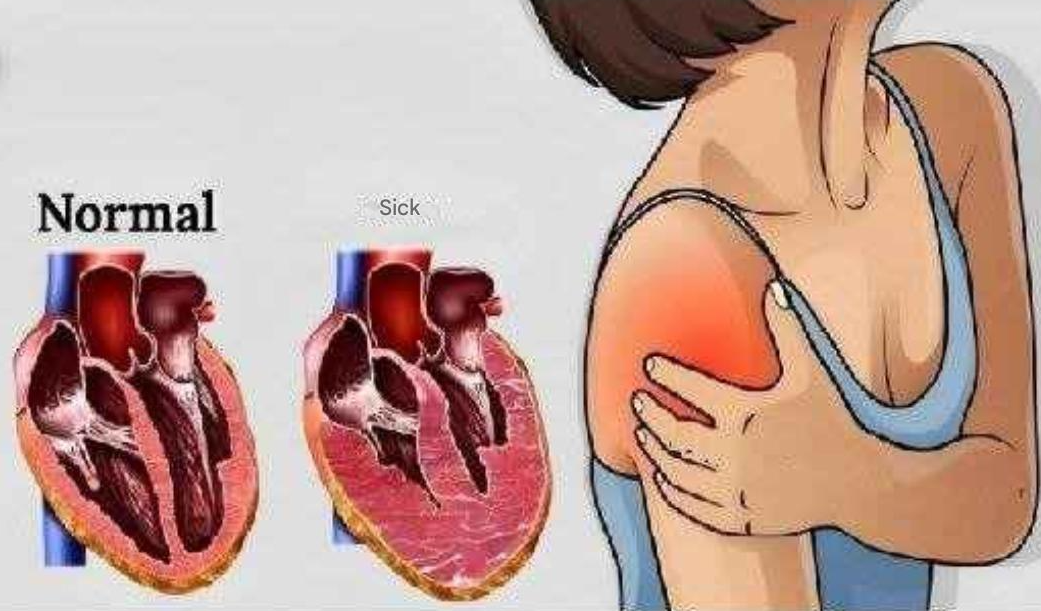
Pain or discomfort outside the chest can also be heart-related and is frequently overlooked. The heart can send pain signals to the arms—especially the left arm—as well as the shoulders, neck, jaw, back, or upper abdomen. This pain may feel dull, tight, or simply unusual. Because it doesn’t match the classic image of heart trouble, people often dismiss it or seek treatment for unrelated issues, delaying proper diagnosis.
Dizziness, lightheadedness, or sudden weakness can also indicate heart problems. These symptoms occur when reduced blood flow or irregular heart rhythms limit oxygen delivery to the brain. People may feel faint, disoriented, or on the verge of passing out, sometimes accompanied by nausea or cold sweats. These sensations should always be evaluated, particularly if they occur alongside fatigue or breathing difficulties.
Swelling in the feet, ankles, legs, or lower abdomen is another subtle but meaningful sign. When the heart struggles to pump effectively, blood can pool in the lower body, causing fluid retention. This swelling may worsen as the day goes on or persist despite rest. While swelling can have many causes, unexplained or increasing fluid buildup is a known indicator of heart failure or poor circulation. Tight shoes, visible indentations in the skin, or sudden weight gain from fluid should not be ignored.
These warning signs are especially important because they often appear together. Each symptom alone may seem minor, but collectively they can point to serious cardiovascular stress. Because they develop gradually, they’re easy to rationalize away. Early recognition, however, allows doctors to identify issues such as blocked arteries, high blood pressure, abnormal heart rhythms, or weakened heart muscle before a heart attack occurs.
Prevention is far more effective—and far less dangerous—than emergency treatment. Paying attention to changes in the body, keeping up with regular medical visits, and managing risk factors can significantly reduce the chance of a cardiac event. A heart-supportive lifestyle includes balanced nutrition, appropriate physical activity, quality sleep, stress management, and avoiding smoking and excessive alcohol. Managing conditions like high cholesterol, diabetes, obesity, and high blood pressure is essential for long-term heart health.
Today’s medical tools make early detection more accessible than ever. Blood tests, imaging, stress testing, and heart rhythm monitoring can reveal problems long before they become life-threatening. The most important step is not ignoring what the body is already signaling.
The heart works nonstop, every moment of every day. When it begins to struggle, it doesn’t shout—it whispers. Learning to listen to fatigue that feels unusual, breathlessness that seems out of place, or discomfort that lingers can make the difference between prevention and crisis.
Caring for heart health isn’t about fear. It’s about awareness, responsibility, and respect for the body’s signals. Acting early is one of the most valuable investments a person can make in their future health, independence, and quality of life.