Scratched glasses are one of those surprisingly frustrating issues that can feel far bigger than they actually are. A tiny imperfection on a lens, whether it’s a small hairline scratch or a slightly deeper mark, has a remarkable way of catching light at the wrong angle, slightly blurring your vision, or simply distracting you every time you look through them. While it might seem like a minor annoyance, these scratches can significantly impact your daily life—making reading harder, reducing clarity while driving, or interfering with digital screen work. Before you rush out to buy a brand-new pair of glasses, it’s worth taking a moment to understand what can realistically be done at home, what can only be fixed professionally, and what attempts at DIY repair might actually make things worse.
The first step in dealing with scratches is to recognize that the type of lens, the depth of the scratch, and the kind of coating on your glasses all play a crucial role in determining the best approach. Not all lenses are created equal—some are made of plastic, others of glass, and many modern lenses come with anti-reflective, blue-light, or scratch-resistant coatings. These coatings can be easily damaged by even well-intentioned home remedies. It’s also important to understand that no at-home method will truly “repair” a scratch in the way professional resurfacing or lens replacement can. At best, DIY techniques can sometimes reduce the visibility of minor surface scratches or smooth the edges, creating the illusion of a clearer lens. Used incorrectly, however, they can permanently damage lenses, strip coatings, or even make scratches worse.
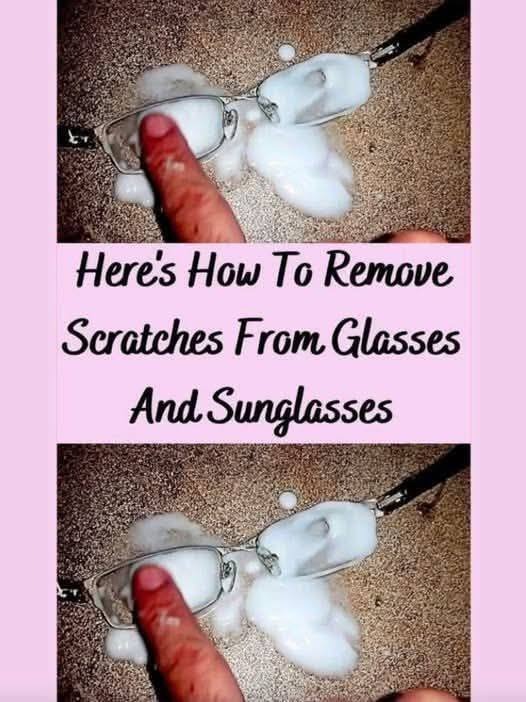
One of the most commonly suggested home remedies is a baking soda paste. This is often recommended online for its mild abrasiveness, which can sometimes soften the edges of very shallow scratches. However, its effectiveness is limited and highly dependent on the type of lens. Baking soda should never be used on lenses with any special coatings, as it can create permanent damage. To attempt this method safely, start by mixing one to two teaspoons of baking soda with a few drops of distilled water to form a smooth, thin paste. It’s essential that the paste is free of any gritty particles, as abrasives can create more scratches. Clean your glasses thoroughly beforehand using a proper lens cleaner or mild soap and lukewarm water, and then gently apply the paste with a fingertip or a soft cotton ball. Rub in tiny circular motions for no more than 10 to 15 seconds, rinse completely with water, and dry with a clean microfiber cloth. This approach is most suitable for older reading glasses or inexpensive plastic lenses with hairline scratches. For daily-use prescription glasses, the potential risk often outweighs the benefit.
Another widely circulated suggestion is toothpaste. However, this method is often misunderstood and frequently misapplied. Only plain, non-gel, non-whitening toothpaste without additional abrasive ingredients should even be considered, and even then, it is a last resort. Most modern toothpastes contain silica or polishing compounds designed to work on tooth enamel—a material far harder than typical eyeglass lenses. Applying these toothpastes can permanently cloud, scratch, or remove protective coatings within seconds. If attempting this method, use only a pea-sized amount of very basic toothpaste on a damp microfiber cloth. Rub the affected area in tiny circular motions for no longer than 10 seconds, rinse thoroughly, and dry with a clean cloth. Always test on the edge of the lens first. Even when done cautiously, results are inconsistent, and the risk of damage is high for coated or high-quality lenses.
For those seeking a temporary improvement in appearance rather than an actual repair, car wax or commercial lens-specific scratch fillers offer another option. These products work differently than abrasive methods—they do not remove scratches but instead fill them in with a clear polymer that reduces how much light scatters across the surface. When applied carefully, these products can make fine scratches less noticeable, which is particularly useful for sunglasses, backup glasses, or older lenses you no longer depend on daily. To use a wax or scratch filler, clean your lenses thoroughly first. Apply a tiny amount to a microfiber cloth and gently buff in circular motions, making sure to remove any excess residue completely. It’s important to note that wax can leave a haze, interfere with anti-reflective coatings, and attract dust, so this method is not recommended for primary prescription lenses.
There are also some home remedies you should absolutely avoid. Metal polish products like Brasso, for example, are highly abrasive and can permanently damage lenses by stripping coatings or etching the surface. Once this happens, no DIY method can reverse the damage. The key takeaway here is that while minor scratches can sometimes be reduced in visibility, lenses are delicate instruments, and aggressive or untested methods often backfire.
While it may be tempting to attempt repairs at home, the most effective approach is prevention. Scratches usually develop due to everyday habits that seem harmless in the moment. Cleaning glasses with paper towels, tissues, or clothing can grind microscopic debris into the lenses, leaving scratches behind. Tossing your glasses into a bag without a protective case exposes them to keys, zippers, and other abrasive objects. Placing glasses lens-down on hard surfaces invites immediate and lasting damage. Simple lifestyle adjustments can go a long way toward protecting your lenses. Always store glasses in a hard case when not in use, clean them with proper lens cleaner and a microfiber cloth, rinse off grit before wiping, and set glasses down with lenses facing upward. Additionally, when ordering new lenses, consider scratch-resistant coatings, and keep an older pair as a backup for activities where damage is more likely.
Eventually, there comes a point where replacement is the safer, smarter choice. If scratches are directly in your line of sight, cause glare while driving at night, trigger headaches or eye strain, or appear alongside peeling coatings or cracks, it’s time to consult your optician. Many vision insurance plans cover regular lens replacement, making this a practical and worthwhile investment. Clear vision is always preferable to attempting risky fixes for minor scratches.
Glasses are far more than mere accessories—they are essential tools for interacting with the world. They allow you to read, drive, work, recognize faces, and navigate daily life. While a baking soda paste or lens filler may temporarily reduce the visibility of a tiny scratch on an old pair of reading glasses, no DIY technique is worth the risk of permanent damage to lenses you rely on every day. Sometimes, the best decision is accepting that a scratch has served its time and moving on to a clearer, safer view. Protecting your vision and maintaining lens integrity will save frustration, prevent eye strain, and ultimately ensure that your eyes are served well for years to come.
Your eyes are your window to the world, and investing in their clarity is always worth it. Proper care, realistic expectations, and the willingness to replace worn lenses when necessary are key steps to ensuring your glasses continue to perform their vital role effectively and reliably.